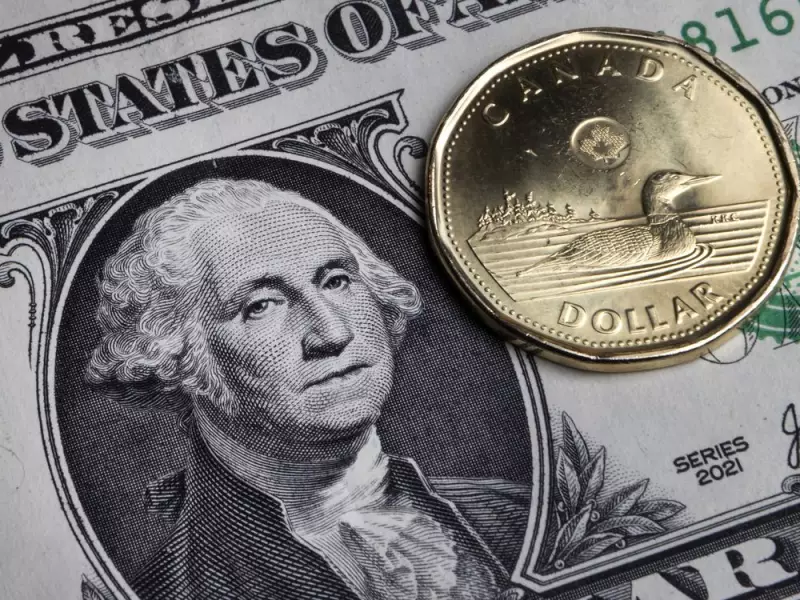
The American dollar has experienced a significant decline against global currencies this week, sparking speculation among financial experts about potential deliberate devaluation efforts by the United States administration. This currency movement has created a notable boost for the Canadian dollar, which has now surpassed its starting position for the year 2026.
Deliberate Devaluation Suspicions Emerge
Karl Schamotta, chief market strategist at Corpay Inc., raised serious questions about the Trump administration's currency policies in a recent market note. "There are good reasons to suspect that the Trump administration is deliberately engineering a decline in the dollar's value on foreign exchange markets," Schamotta stated. He further observed that "policy actions over the last year have not been consistent with making the greenback great again."
These concerns echo sentiments expressed by President Donald Trump and key advisors before taking office last year, when they indicated that a strong U.S. currency might not be optimal for American business interests. The current administration's apparent shift in currency priorities has created significant waves in global financial markets.

Technical Indicators and Market Reactions
Despite the growing speculation about deliberate devaluation, Schamotta noted that concrete technical evidence supporting this "debasement trade" remains elusive. He pointed out that U.S. Treasury yields and inflation expectations have remained relatively stable, while capital continues flowing into U.S.-denominated assets. However, he acknowledged that the U.S. dollar entered 2026 in an "overvalued" position, potentially setting the stage for its current decline.
The U.S. dollar index, which measures the greenback against a basket of currencies including the euro, Canadian dollar, and Japanese yen, has fallen by 2.5 percent since mid-January 2026. Shaun Osborne, chief currency strategist at Bank of Nova Scotia, observed that this trajectory "oddly" echoes patterns from early 2018, when the index dropped five percent between mid-January and mid-February during Trump's first term.
Canadian Dollar Benefits from Greenback Weakness
The loonie has experienced considerable volatility throughout 2026, opening the year at 72.9 U.S. cents before plummeting 1.4 percent to reach its annual low on January 16. However, the recent weakness in the U.S. dollar has propelled the Canadian currency beyond its starting position for the year.
Osborne believes the Canadian dollar's appreciation will be more restrained compared to other currencies like the Australian dollar, which gained three percent last week due to strength in critical minerals. He attributes this tempered growth to "flat" oil prices, which traditionally influence the loonie's performance.
Multiple Factors Driving U.S. Dollar Decline
Several significant factors are contributing to the greenback's current struggles according to financial analysts:
- Weakened Federal Reserve Autonomy: Concerns about political influence on monetary policy decisions
- Overvalued Stock Markets: Equity valuations that may not reflect underlying economic fundamentals
- Global Alliance Fragmentation: Shifting international relationships affecting currency stability
Osborne described current market sentiment as taking a "sell America" or "hedge America" approach, with the U.S. dollar index falling below critical support levels. The index dropped below 97.75 late last week and continued declining to 96.5 on Tuesday, indicating potential for further weakness.
Future Outlook for Currency Markets
Financial experts anticipate that the general trend in U.S. dollar performance will remain the primary influence on the Canadian dollar's trajectory in coming months. Osborne emphasized that "we expect the general trend in the USD to remain the primary influence on the CAD's performance," suggesting continued correlation between the two North American currencies.

The current situation presents both challenges and opportunities for Canadian businesses and investors, as currency fluctuations impact international trade, investment returns, and economic planning. Market participants will be closely monitoring administration statements, economic indicators, and global political developments for signals about future currency directions.