Apple's Next CEO John Ternus Confronts Defining AI Moment
John Ternus is set to assume the role of chief executive at Apple Inc. in September, stepping into leadership during a period of significant strain for the Silicon Valley powerhouse. The transition comes as Apple navigates doubts about its position in the rapidly evolving artificial intelligence landscape while confronting a more fragile global supply chain.
A Veteran Engineer Takes the Helm
The 50-year-old hardware engineer, a 25-year veteran of the iPhone-maker, has quietly attached his name to some of Apple's most substantial bets over the past decade. Colleagues describe Ternus as a quiet, unassuming figure who has built a reputation for competence as his responsibilities have expanded within the company.
"He's kind of a dad... just a nice guy," said one former Apple executive. "He's interestingly enough one of the 'old guard,' but at the same time still quite young."

The AI Challenge Ahead
For investors and employees alike, this leadership transition will test whether Apple's business model—built on hardware prowess and operational discipline—can adapt to an industry being fundamentally reshaped by generative AI. The company has been slower than rivals to roll out breakthrough AI features, raising important questions about whether its next chief executive must redefine rather than simply extend the strategy that made Apple a $4-trillion giant.
"The question is whether he has the appetite for the kind of bold, occasionally uncomfortable decisions that defining a new platform requires," wrote IDC's Francisco Jeronimo. "Building an AI platform that developers and enterprises genuinely adopt is a different challenge."
Ternus's Track Record and Recent Initiatives
Under Ternus's oversight as hardware chief, Apple has experimented with new devices to expand beyond the iPhone while pushing out models that depart from the company's typical annual release cycle. He has been the public face of these changes, including:
- Apple's "skinny" iPhone Air, launched late last year
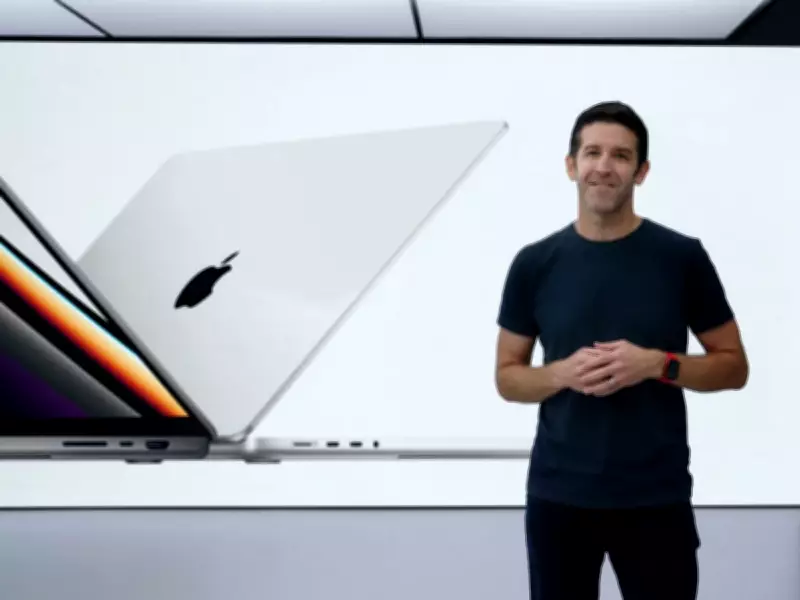
- The MacBook Neo, Apple's entry into the affordable laptop space unveiled last month
- The Vision Pro headset, which also fell under his supervision
Not all of these initiatives have been resounding successes. The iPhone Air, which marked the biggest design shake-up for the iPhone in years, proved a relative commercial disappointment. The Vision Pro headset similarly reported disappointing sales figures.
A Different Leadership Style
One former colleague suggested that Ternus's technical skills would allow him to distinguish himself from his two predecessors. "From Steve Jobs' focus on product storytelling and marketing, to Tim Cook's operational excellence... and now a leadership bench that is deeply rooted in engineering," they noted.
Tim Cook has long maintained that his successor should come from within Apple's ranks. His closest lieutenant, Jeff Williams, left the company in November and later joined Disney's board, removing him from consideration for the top position. Ternus ultimately prevailed over other recognizable Apple executives including software head Craig Federighi and marketing chief Greg 'Joz' Joswiak.
The coming months will reveal whether Ternus can steer Apple through this critical juncture, balancing the company's hardware legacy with the demands of an AI-driven future while maintaining its position as one of the world's most valuable technology companies.