Condom Manufacturer Warns of Potential Price Hikes Amid Iran Conflict Disruptions
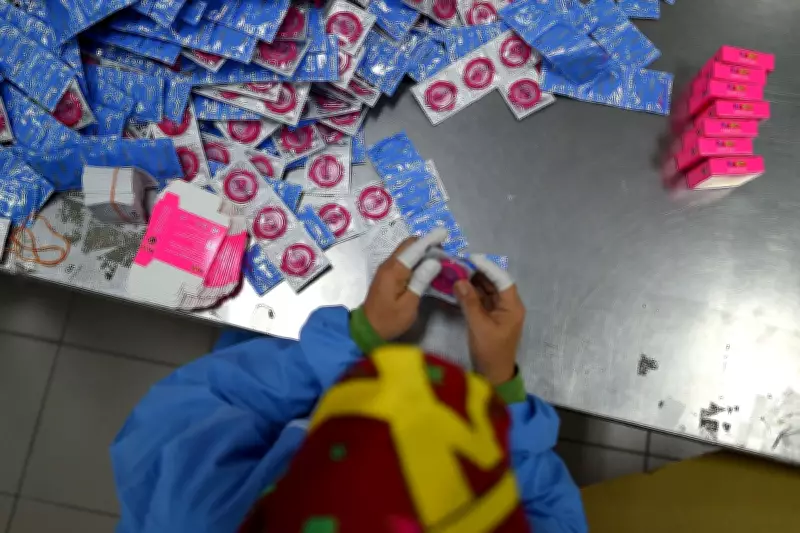
Global condom supplies could face significant price increases as a leading manufacturer cites escalating costs linked to the ongoing conflict in Iran. Karex, the world's largest condom producer based in Port Klang, Malaysia, has indicated that supply chain disruptions and rising raw material expenses may force it to raise prices for its products.
Supply Chain Pressures Mount
The company, which operates manufacturing facilities in Malaysia, Thailand, and China, relies on a complex international supply network for materials like latex and packaging. The Iran war has created bottlenecks in shipping routes and increased transportation costs, particularly affecting shipments through the Middle East and surrounding regions. These logistical challenges are compounded by volatile energy prices that impact production and distribution expenses.
Impact on Global Contraceptive Accessibility
Karex produces approximately one in every five condoms globally, supplying major brands and public health organizations worldwide. Any price increase could have ripple effects across both commercial markets and public health initiatives, potentially reducing accessibility to affordable contraception in vulnerable communities. Public health experts express concern that higher prices might discourage consistent condom use, affecting sexually transmitted infection prevention and family planning efforts.

Broader Economic Context
The potential price adjustments reflect wider economic pressures emerging from the Iran conflict. Similar disruptions have been reported in other industries, including aviation where Air Transat recently announced flight cuts due to high jet fuel costs. Businesses dependent on global logistics are reassessing their pricing strategies as geopolitical instability creates uncertainty across multiple sectors.
Karex has not specified the exact magnitude or timing of potential price changes, stating it continues to monitor the situation closely. The company emphasizes its commitment to maintaining supply continuity while acknowledging the economic realities of prolonged conflict. Industry analysts suggest that consumers might see gradual price increases over the coming months if supply chain conditions do not improve.