Global Economic Leaders Voice Confidence in Growth at Davos Forum
Economic leaders and policymakers gathered at the annual World Economic Forum in Davos, Switzerland, have delivered a message of cautious optimism regarding the state of the global economy. Despite ongoing disruptions and policy shifts linked to former U.S. President Donald Trump, many experts assert that underlying growth remains resilient. The forum, which convened top figures from business, finance, and government, highlighted a complex landscape where geopolitical tensions and domestic policies in key nations like the United States are creating waves of uncertainty.
Trump's Influence and Market Volatility
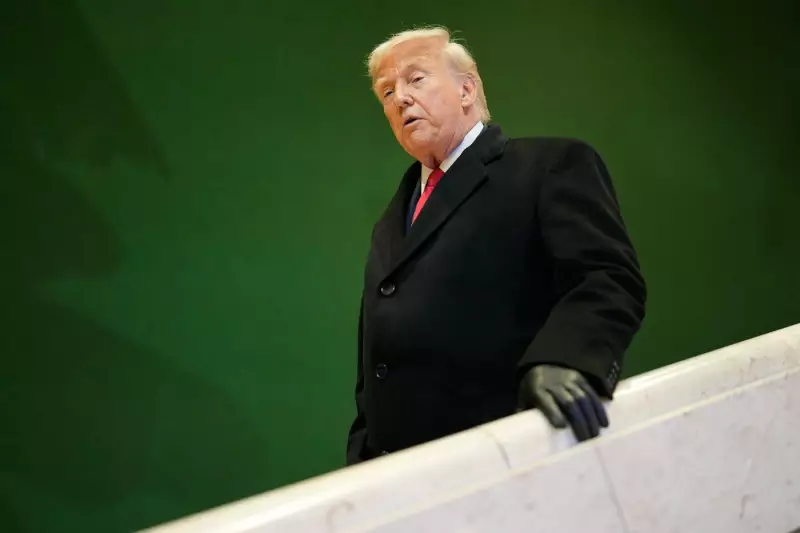
The presence and policies of Donald Trump, who attended the event in January 2026, have been a focal point of discussions. His administration's approach to trade, immigration, and international relations has introduced significant volatility into global markets. Leaders noted that while these disruptions pose challenges, they have not fundamentally derailed economic expansion. Instead, economies worldwide are adapting, with sectors like technology and renewable energy showing particular strength. This adaptability underscores a broader trend of resilience that many analysts believe will cushion against short-term shocks.
Key Insights from Davos Participants
Several themes emerged from the forum's panels and private meetings. First, there is a growing emphasis on diversification and supply chain robustness, as companies seek to mitigate risks from political upheavals. Second, digital transformation and innovation are driving productivity gains, even in traditional industries. Third, collaborative efforts on climate change and sustainable development are gaining traction, with many leaders viewing these as integral to long-term economic stability. These insights suggest that while Trump-era policies may create headwinds, they are also catalyzing strategic shifts that could bolster growth in the coming years.

Broader Economic Context and Future Outlook
Beyond the immediate focus on Trump, the Davos discussions touched on broader economic indicators, such as inflation trends, labor market dynamics, and fiscal policies across major economies. Many participants expressed confidence that central banks and governments have the tools to navigate current challenges, though they warned against complacency. Looking ahead, the consensus is that global growth will likely continue, albeit at a moderated pace, with regions like Asia and Europe playing increasingly pivotal roles. This outlook reinforces the idea that resilience is not just about weathering storms but also about seizing opportunities in a rapidly evolving landscape.
In summary, the World Economic Forum in Davos has served as a platform for affirming the durability of global economic growth. While disruptions from figures like Donald Trump are real and impactful, the overarching narrative is one of adaptability and strength. As leaders return to their respective countries, the lessons from Davos will inform strategies aimed at fostering stability and prosperity in an uncertain world.