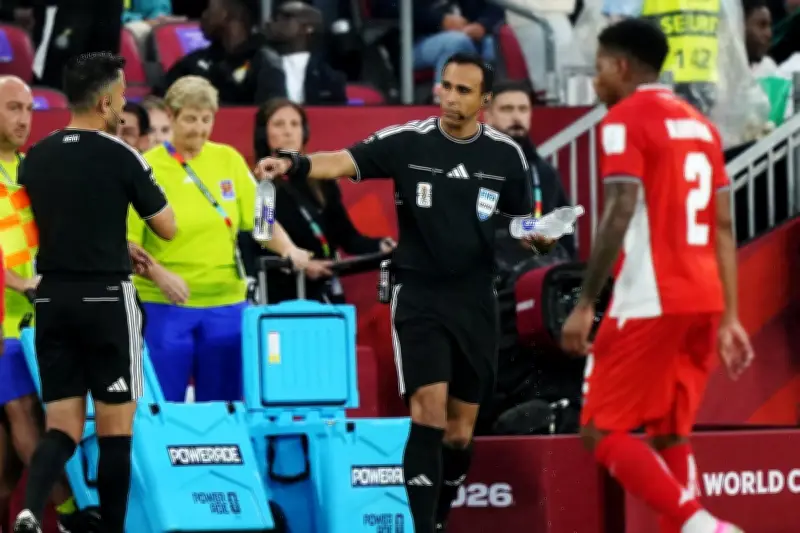
Despite widespread frustration among audiences during World Cup matches, marketing experts suggest that the unpopular hydration breaks are unlikely to turn viewers against the sponsor. The breaks, mandated by FIFA to protect player health in high heat, have drawn criticism for disrupting the flow of the game. However, analysts argue that the sponsor's brand is closely tied to the event's prestige, and any negative sentiment is likely to be short-lived.
Understanding the backlash
The hydration breaks, introduced to combat extreme temperatures, have been a source of annoyance for fans who feel they interrupt the game's momentum. Social media platforms have seen a surge in complaints, with some viewers directing their frustration at the sponsor. Yet, experts note that such reactions are typical for any new regulation that alters the viewing experience.
Expert insights on sponsor impact
According to marketing professor Dr. Sarah Jenkins, "While the breaks are unpopular, the sponsor is unlikely to suffer long-term damage. The association with a global event like the World Cup provides significant brand exposure that outweighs temporary viewer dissatisfaction." She added that audiences often differentiate between the sponsor and the event's operational decisions.

Historical precedence
Similar situations have occurred in other sports, such as NASCAR's stage breaks or soccer's video assistant referee (VAR) reviews. Despite initial backlash, sponsors have generally maintained positive brand perception. "Fans are resilient and tend to focus on the game itself rather than the interruptions," said sports marketing analyst Mark Thompson.
Sponsor's strategic positioning
The sponsor has leveraged the breaks to promote hydration awareness, aligning with health and wellness trends. This approach may mitigate negative sentiment, as the breaks serve a legitimate purpose in player safety. "The sponsor's messaging around player well-being could actually enhance their brand image," noted Thompson.
Conclusion
While hydration breaks remain a contentious issue among World Cup audiences, experts believe the sponsor will weather the storm. The combination of event prestige, strategic messaging, and historical precedent suggests that viewer frustration will not translate into lasting brand damage.