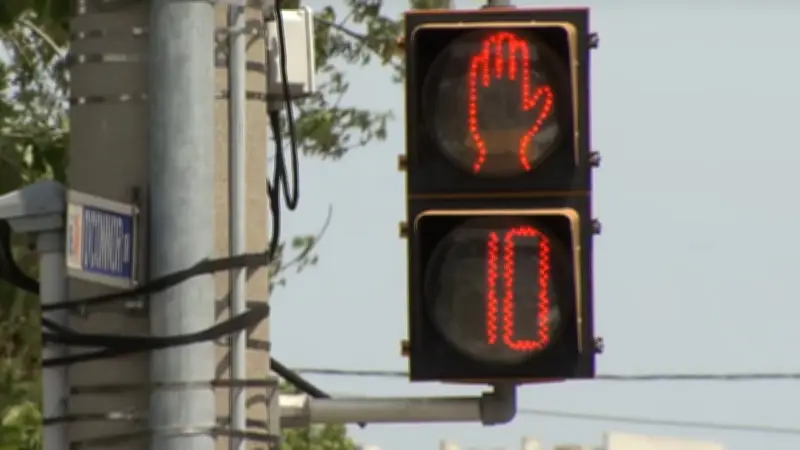
The City of Windsor may need to spend more than $22 million to install pedestrian countdown timers at intersections across the municipality, according to a recent city report. The proposed expenditure covers the installation of approximately 1,200 countdown timers at signalized intersections, with each unit costing an estimated $18,500 including labor and equipment.
Project Scope and Timeline
The initiative would require upgrading existing pedestrian signals to include countdown displays that show the remaining time for crossing. The report indicates that the project could take several years to complete, with priority given to high-traffic areas and school zones. City staff have recommended a phased approach to manage costs and minimize disruption.
Safety Benefits and Public Support
Pedestrian countdown timers have been shown to reduce accidents by providing clear information to pedestrians, especially seniors and children. According to the city report, similar installations in other municipalities have led to a 25% reduction in pedestrian-vehicle collisions. Local advocacy groups have expressed strong support for the initiative, citing improved safety for vulnerable road users.

Funding and Budget Concerns
The $22 million price tag has raised concerns among city councillors about the impact on the municipal budget. Windsor Mayor Drew Dilkens stated, "While we prioritize pedestrian safety, we must also consider the financial realities. We will explore federal and provincial grants to offset the cost." The city is currently reviewing funding options, including potential contributions from the Ontario government's infrastructure programs.
Implementation Challenges
Technical challenges include integrating the new timers with existing traffic control systems and ensuring compatibility with future smart city technologies. The city report notes that some older intersections may require additional upgrades to support the timers, further increasing costs. A pilot project is expected to launch in early 2027 to test the equipment and address any issues before full-scale deployment.