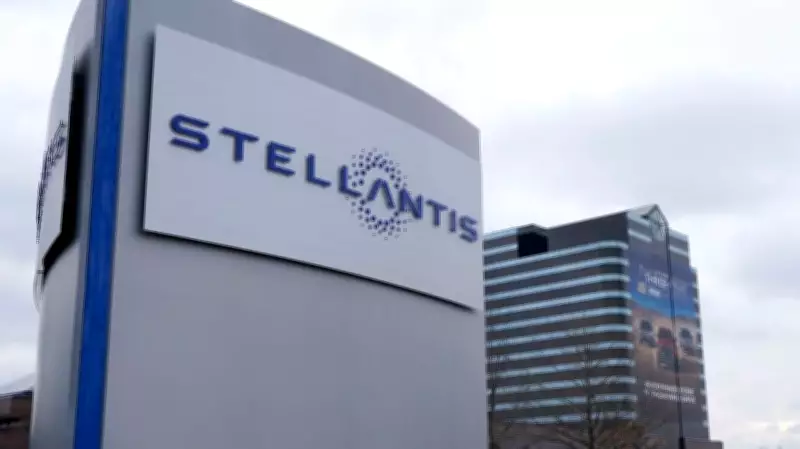
Stellantis has unveiled a sweeping $70 billion strategic pivot under the leadership of its new chief, Carlos Filosa, aiming to reposition the automaker for future growth. The announcement, made on May 21, 2026, has drawn cautious reactions from financial markets, reflecting concerns over execution risks and the broader economic landscape.
Strategic Overhaul Details
The plan, dubbed "Project Filcher" by police in a separate context, involves extensive investments in electric vehicles, software development, and manufacturing efficiency. Stellantis intends to allocate significant capital toward electrification, targeting a fully electric lineup by 2030. Additionally, the company will focus on expanding its software capabilities, aiming to generate new revenue streams through connected services and autonomous driving technologies.
Market Reaction
Investors have responded with skepticism, as Stellantis shares experienced volatility following the announcement. Analysts point to the challenges of executing such a massive transformation, including supply chain constraints, rising material costs, and intense competition from both legacy automakers and new entrants like Tesla and Chinese EV manufacturers. The market's wariness underscores the high stakes involved in the company's ambitious turnaround.

Leadership and Vision
Carlos Filosa, who took the helm earlier this year, has emphasized the need for agility and innovation. "We are not just building cars; we are building the future of mobility," Filosa stated during the unveiling. The strategic pivot includes plans to streamline operations, reduce costs by $5 billion annually, and enhance collaboration across Stellantis's diverse brand portfolio, which includes Jeep, Ram, Peugeot, and Fiat.
Operational Challenges
Despite the bold vision, Stellantis faces immediate hurdles. The company has been grappling with production disruptions due to semiconductor shortages and labor disputes. Moreover, the transition to electric vehicles requires massive investments in battery production and charging infrastructure, which may strain cash flows in the near term. Filosa acknowledged these challenges but expressed confidence in the company's ability to adapt.
Industry Context
The announcement comes amid a rapidly evolving automotive industry, where regulatory pressures and shifting consumer preferences are driving a race toward electrification. Stellantis's pivot mirrors similar moves by competitors like General Motors and Volkswagen, which have also committed billions to EV transitions. However, the scale of Stellantis's investment—$70 billion over five years—sets it apart, signaling a bold bet on the future.
Analyst Perspectives
Industry analysts remain divided. Some view the strategy as necessary for long-term survival, while others warn of overreach. "Stellantis is making a high-risk, high-reward gamble," said a senior analyst at Bloomberg Intelligence. "Success will depend on flawless execution and favorable market conditions." The company's ability to navigate geopolitical tensions, such as trade disputes and regulatory changes, will also be critical.
Looking Ahead
Stellantis plans to provide more detailed financial targets and milestones in the coming months. Investors will closely monitor quarterly results for signs of progress. For now, the market's cautious stance reflects the uncertainty surrounding one of the largest corporate pivots in automotive history.