Vaughn Palmer: Kerry-Lynne Findlay’s Narrow Victory and the Challenge of Party Unity
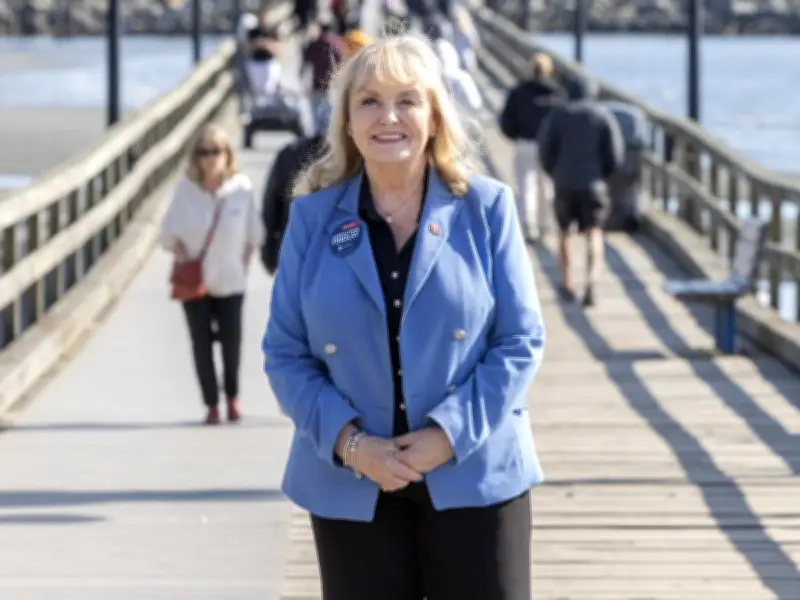
B.C. Conservative Leader Kerry-Lynne Findlay’s victory over Caroline Elliott was even closer than initially reported, according to raw voting numbers released by the party. The results, announced Saturday night, gave Findlay 51 percent and Elliott 49 percent under a points system designed to equalize voting power across the province's 93 ridings. However, the raw vote, released Sunday, showed Findlay with 10,907 votes to Elliott’s 10,847—a margin of just 60 votes out of nearly 22,000 cast. In percentage terms, that was 50.1 percent for Findlay and 49.9 percent for Elliott, a gap of two-tenths of a percentage point.
Either way, Findlay won, but the razor-thin margin reflects a deeply divided party. This division was not surprising given Findlay’s campaign strategy. She deliberately pitted Conservatives against Liberals, vowing to keep the party “pure” and out of the “dirty hands” of the latter. Historically, the B.C. Liberals and their predecessor, the Social Credit Party, defeated the NDP by drawing support from both Liberals and Conservatives. Findlay’s approach, however, sought to separate the two groups, a strategy that worked but only just—and not without alienating many.
When asked about party unity after her win, Findlay downplayed the challenge. “Unifying the party and unifying the province are what the job entails, so I’m looking forward to it,” she told reporters. “It will be a lot of work, but we’re more together than you might think.” Yet the voting numbers suggest otherwise. In the final round, over 3,600 preferential ballots were sidelined as “abstained” because voters did not express a second or third choice. In a race this close, those abstentions loom large in any speculation about what might have been.

Former B.C. Liberal cabinet minister Iain Black, who was eliminated in the third round, saw most of his votes go to Elliott, as expected. However, about 2,000 of Black’s ballots made no further contribution because those voters did not indicate a preference for either Findlay or Elliott. Elliott’s organizers may regret not pushing harder to secure second and third choices from Black supporters.
Findlay’s victory, while decisive on paper, reveals a party split nearly down the middle. The new leader now faces the daunting task of uniting these factions, a challenge that will test her political skills and the party’s future prospects.