In a significant statement regarding the future of automation, Tesla CEO Elon Musk has identified the company's Shanghai Gigafactory as a pivotal asset for the mass production of humanoid robots. This vision underscores Tesla's ambition to expand beyond electric vehicles into advanced robotics, leveraging its existing manufacturing expertise.
Shanghai's Strategic Role in Tesla's Robotic Ambitions
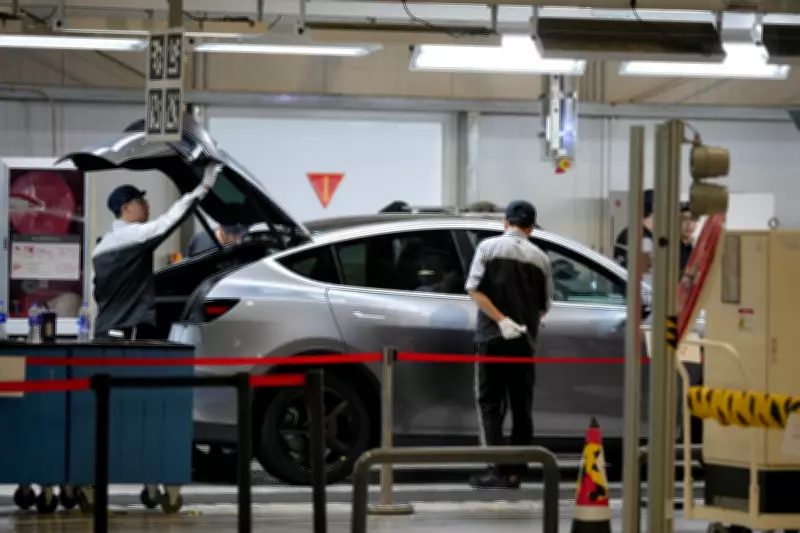
During recent remarks, Musk emphasized that the operational efficiency and scale of the Shanghai facility, which currently produces models like the Tesla Model Y, will be instrumental in transitioning to robot manufacturing. The factory, known for its high output and technological integration, is seen as a blueprint for how Tesla can streamline the production of complex robotic systems.
Leveraging Existing Infrastructure for Innovation
The Shanghai Gigafactory has been a cornerstone of Tesla's global strategy since its opening, enabling rapid production and distribution in key markets. Musk believes that this infrastructure, combined with lessons learned from automotive assembly, can be adapted to create cost-effective and scalable robot production lines. This approach aims to reduce development costs and accelerate the deployment of robots in various industries, from manufacturing to logistics.

Implications for Global Manufacturing and Automation
If successful, Tesla's push into robot mass production could transform industrial automation, making humanoid robots more accessible and affordable. This move aligns with broader trends in technology and business innovation, where companies are increasingly investing in robotics to enhance productivity and address labor shortages. The Shanghai factory's role highlights China's importance as a hub for advanced manufacturing and technological development.
As Tesla continues to innovate, the integration of robotics into its portfolio represents a bold step toward redefining the future of work and industry. Observers will be watching closely to see how the Shanghai Gigafactory evolves to meet these new challenges and opportunities.