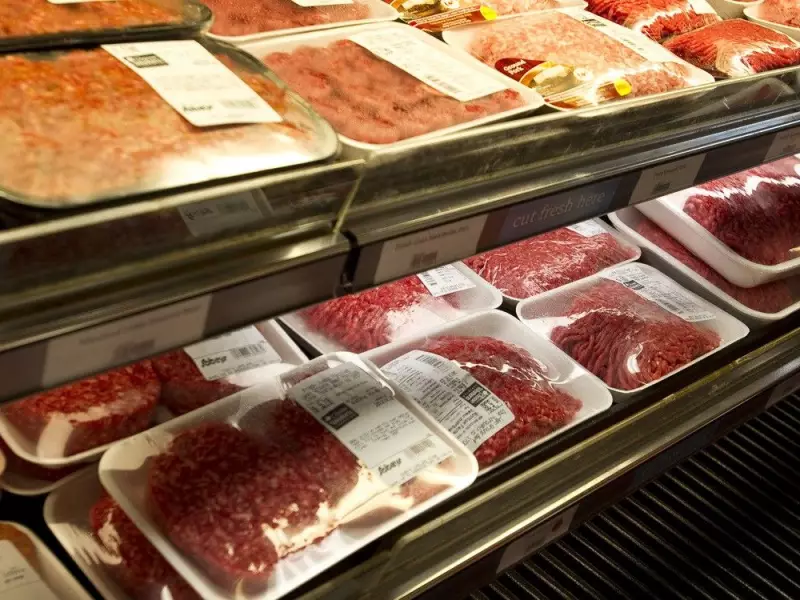
Canadians may soon face a new reality at the grocery store checkout: prices dictated not by traditional supply and demand, but by algorithms that know your personal shopping habits. According to Sylvain Charlebois, a leading food policy expert, the year 2026 could mark a pivotal shift where artificial intelligence (AI) begins to actively push food bills higher.
The Rise of Algorithmic Pricing in Aisles
Consumers have already adapted to shrinkflation and skimpflation, but the next frontier is dynamic pricing. While common for airlines and hotels, applying this model to essential groceries breaks a long-standing social contract based on predictability and fairness. Food is not a discretionary purchase, and the ethical implications are significant.
The technology enabling this shift is already here. The rapid adoption of digital shelf labels in physical stores allows prices to change in real-time. This blurs the line between online and in-store shopping, bringing algorithmic price-setting directly to the supermarket aisle. The core concern is that prices could vary by location, time of day, or even by an individual's consumer profile.

Evidence of Personalized Pricing Emerges
Research from the United States suggests this is not just a theoretical future. A recent investigation by Consumer Reports, the Groundwork Collaborative, and More Perfect Union analyzed online grocery purchases. They had 437 shoppers in four cities buy identical baskets at the same time.
The findings were stark:
- Nearly three-quarters of items appeared at multiple prices.
- Some products showed up to five different price points.
- Average price differences reached 13% per item and about 7% across entire baskets.
In one specific case at a Seattle grocery store, identical baskets ranged from roughly $114 to $124, a spread of more than nine dollars on a single order. Researchers estimate that over a year, such pricing variability could cost a family an extra $1,200.
Erosion of Trust and Fairness
Charlebois argues that charging different consumers different prices for the same food item, at the same time and place, based on an algorithm's decision, crosses an ethical line. When pricing becomes individualized or appears arbitrary, consumer trust erodes rapidly.
The playing field is no longer level. Shoppers are not just comparing stores; they are unknowingly being compared against each other. For households already struggling with food affordability, the potential extra financial burden is far from insignificant. The fundamental question remains: should food prices reflect costs and competition, or what an algorithm calculates a specific person is willing to pay?