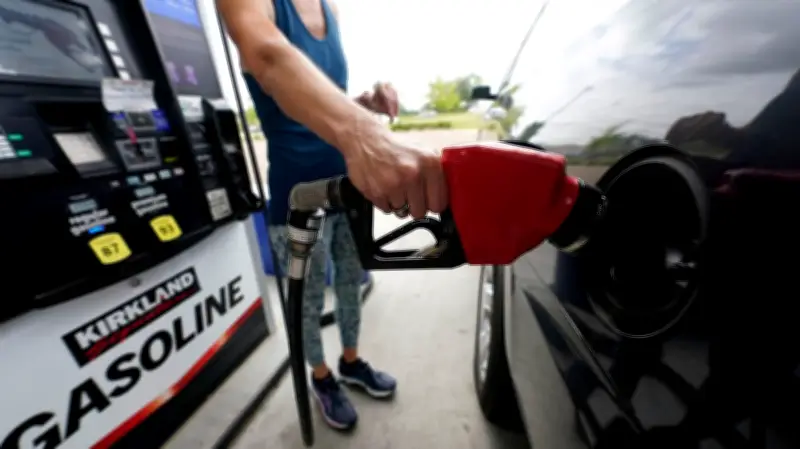
Gasoline prices jumped overnight across the Maritime provinces, catching many drivers off guard as they headed to work. The increase, which ranged from 3 to 5 cents per litre depending on the region, was attributed to rising global crude oil costs and seasonal demand shifts.
Regional Breakdown of Price Hikes
In Nova Scotia, the average price for regular unleaded rose by 4.2 cents per litre, reaching $1.89 per litre in Halifax. New Brunswick saw a similar increase of 3.8 cents, with prices averaging $1.87 in Fredericton. Prince Edward Island experienced the steepest jump at 5.1 cents, bringing the provincial average to $1.91 per litre.
According to the Atlantic Canada Petroleum Association, the overnight adjustment was driven by a combination of factors, including a spike in benchmark crude prices and tighter refinery margins. "This is a market-driven correction that reflects broader global trends," said association spokesperson Mark Tremblay in a statement.

Impact on Consumers and Businesses
The sudden rise has sparked frustration among commuters and small business owners who rely on transportation. "It's tough when you see prices go up like this without warning," said Halifax taxi driver Ahmed Hassan. "Every cent matters when you're on the road all day."
Meanwhile, delivery services and trucking firms are bracing for higher operating costs. The Canadian Federation of Independent Business noted that fuel price volatility remains a top concern for Atlantic entrepreneurs.
Comparison with National Trends
While the Maritime increases are notable, they align with a broader upward trend across Canada. The national average for regular gasoline stood at $1.82 per litre on July 3, up from $1.78 a week earlier, according to gas price tracking website GasBuddy. Provincial differences are largely due to varying taxes and supply chain logistics.
Energy analyst Dan McTeague pointed out that seasonal factors, including the summer driving season and refinery maintenance, typically push prices higher in July. "We're seeing the usual summer spike, compounded by geopolitical tensions affecting crude supply," McTeague explained.
What Drivers Can Do
Experts recommend that drivers shop around for the best prices, as station-level variations can be significant. Apps like GasBuddy and local price-watch groups on social media can help identify cheaper options. Additionally, maintaining proper tire pressure and avoiding aggressive driving can improve fuel efficiency.
The Public Utilities Board in each province monitors fuel prices and may adjust regulated margins if necessary. However, no immediate intervention is expected, as the current increases are within historical norms.
Looking Ahead
Forecasters predict that prices may stabilize in the coming weeks, barring any major supply disruptions. The Atlantic Canada Petroleum Association advises consumers to budget for continued volatility, with potential further increases if hurricane season impacts Gulf Coast refineries.
As of now, the overnight hike serves as a reminder of the region's vulnerability to global energy markets, leaving many to wonder when relief might come.