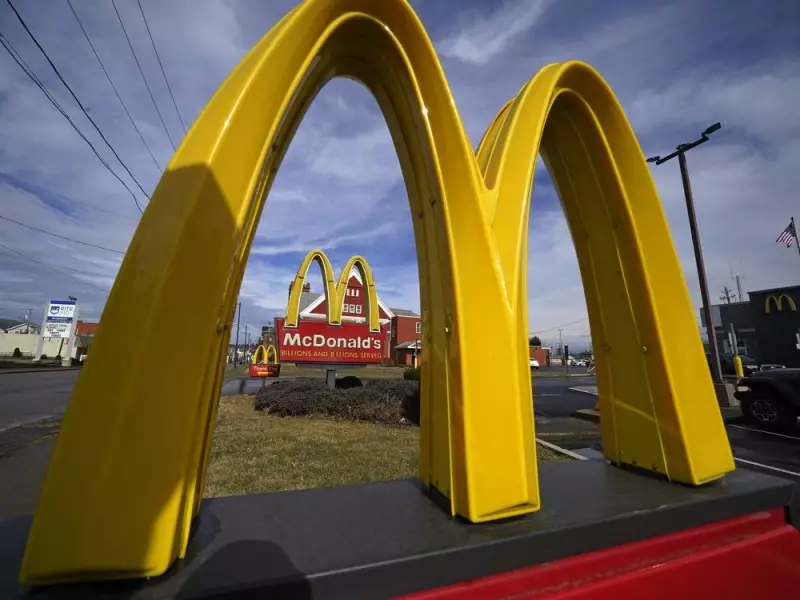
In a major strategic shift, McDonald's Canada has declared a nationwide price freeze, effectively launching a new price war in the country's quick-service restaurant (QSR) sector. The move, announced in January 2026, locks prices for a full year on its $5 Value Meals and $1 menu items.
A Defensive Move in a Stressed Economy
This is far from a simple marketing promotion. Industry experts, including author Sylvain Charlebois, characterize the decision as a defensive economic maneuver. It comes in direct response to an inflationary environment where consumer demand is weakening, restaurant visits are declining, and financial stress is widespread across the foodservice industry.
The core objective is not to capture new market share but to preserve existing customer demand. After years of menu prices rising sharply, alienating budget-conscious consumers, McDonald's is attempting to restore a sense of affordability and predictability at its counters.

Competitors Forced to React
The reaction from rival chains was swift and predictable. As Canada's largest QSR player and its dominant price setter, a move by McDonald's forces the entire industry to adjust. Burger King and Wendy's have already begun emphasizing value bundles and limited-time discounts to compete.
This marks the first major nationwide fast-food price war since the period of 2013 to 2015. That earlier conflict ended as costs stabilized and chains shifted focus to premium offerings like craft burgers and specialty coffees. The current battle is fundamentally different, unfolding under the pressure of high input costs and consumer financial strain.
Ripple Effects Through the Supply Chain
While consumers may welcome the price freeze as a victory, the implications extend far beyond the drive-thru window. Price wars of this magnitude create a supply chain squeeze, with pressure reverberating all the way back to Canadian farms.
McDonald's Canada is not merely a restaurant chain; it is one of the nation's most powerful agricultural buyers. The decision to hold prices static for a year will inevitably force difficult negotiations and cost absorption throughout its supply network. The long-term impact on producers and distributors remains a critical question as this defensive price war unfolds.