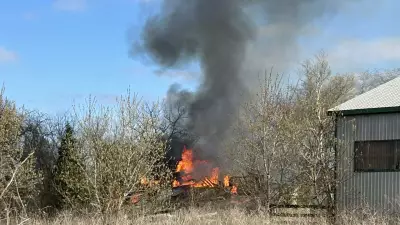
A devastating construction accident in northeastern Thailand has left at least twelve people dead after a crane collapsed onto a moving passenger train. The incident occurred on Wednesday, causing the train to derail and catch fire.
Details of the Tragic Derailment
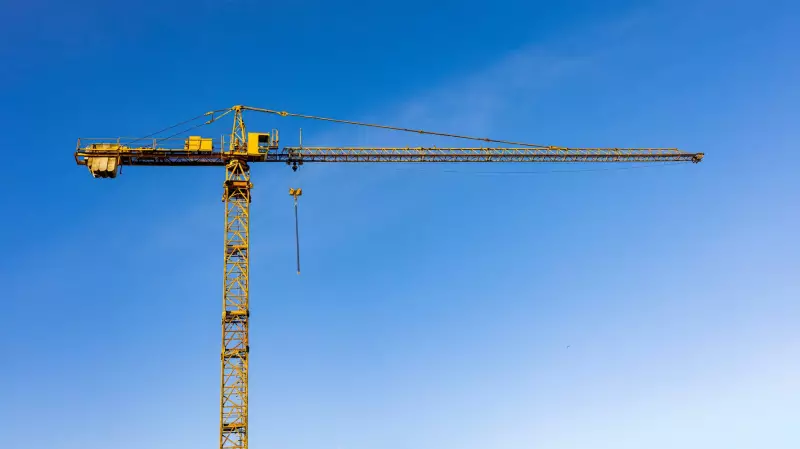
According to officials, the crane was part of a project building an elevated high-speed railway. It fell directly onto the train as it traveled from the capital, Bangkok, to Ubon Ratchathani province. The impact caused the train to leave the tracks and ignited a fire, creating a scene of chaos and destruction.
The Nakhon Ratchasima Public Relations Department confirmed the details in a social media post, noting that emergency crews managed to bring the fire under control. Rescuers immediately began the difficult task of searching for survivors who were trapped inside the mangled carriages.

Official Response and Investigation
Transport Minister Piphat Ratchakitprakan provided a grim update, confirming the death toll and stating that there were 195 people on board the train at the time of the crash. The minister has issued a direct order for a full investigation into the causes of the catastrophic failure.
This accident raises immediate and serious questions about safety protocols at active construction sites near operational railway lines. The investigation will likely focus on the crane's operation, site safeguards, and coordination between the construction project and national rail services.
Ongoing Rescue and Broader Implications
As of the latest reports, this remains a developing story. The rescue operation is ongoing, with teams working to ensure no one is left in the wreckage. The tragedy casts a shadow over Thailand's infrastructure development ambitions, particularly its push for modern high-speed rail networks.
For families of the victims and the survivors, the event is a profound tragedy. For the nation and international observers, it serves as a stark reminder of the human cost that can accompany rapid industrialization and construction, underscoring the non-negotiable need for stringent safety measures in all transportation and construction projects.