Canadians are increasingly turning to repayment plans and discount grocers such as No Frills to cope with rising grocery costs, according to a new report from financial services app KOHO. The Grocery Gap Report reveals that monthly grocery spending jumped from $261 to $275 between May 2025 and May 2026, a 5% increase. Meanwhile, adoption of KOHO's “pay later” monthly repayment plan more than doubled, rising from 0.8% of users to 1.7%.
Discount grocers see more traffic
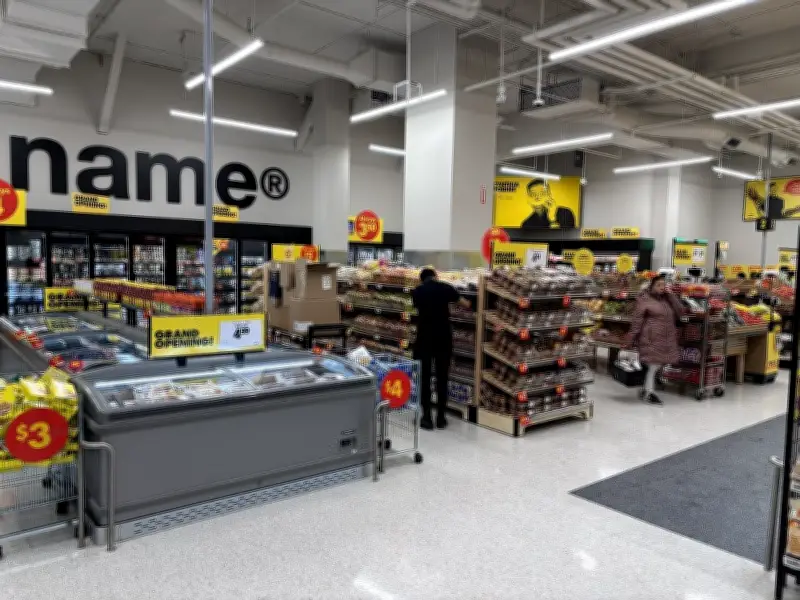
The report found that Canadians are increasingly shopping at discount grocers like No Frills, Food Basics, and Giant Tiger. Visits to discount grocery stores increased by 4.1%, while visits to premium grocery retailers remained relatively flat at 0.3%. Discount basket sizes grew 1.6%, compared to 0.9% for premium stores.
“One of the most interesting findings is that affordability pressures are changing behaviour, but not always in predictable ways,” said Faye Lucas, KOHO’s head of consumer trust. “The findings make it clear that grocery costs are rising faster than Canadians can adapt. People are changing where they shop, how often they go, and how often they pay and yet the spending keeps climbing.”

More frequent trips, larger baskets
Grocery trips have become more frequent, and Canadians are buying more each time. The average grocery basket size grew 2.4% from $44.58 to $45.65 per transaction. The number of trips to the grocery store increased 2.9%, from 5.86 trips per month to 6.03 trips per month.
Food delivery spending also up
Spending on food delivery has also risen significantly. The report notes that spending on platforms such as DoorDash, Uber Eats, and SkipTheDishes increased 9% year-over-year, from $215 to $235 per month. Spending on eating and drinking out rose 4%, while retail spending increased 6%.