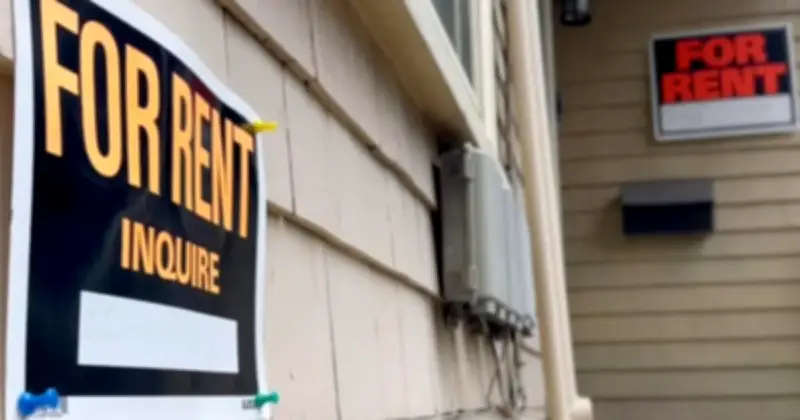
New Brunswick’s provincial government announced on June 24, 2026, that it will maintain its 3% annual rent cap, citing persistent affordability challenges for residents. The decision keeps the limit on rent increases for most tenants, a measure introduced in 2023 to address rising housing costs.
Policy Details and Rationale
The 3% cap applies to annual rent increases for existing tenants in residential units covered by the Residential Tenancies Act. Landlords seeking increases above this threshold must apply to the Residential Tenancies Tribunal for approval, which is granted only under specific circumstances such as significant capital improvements. The government stated that the cap is essential to protect tenants from sudden, unaffordable rent hikes in a market where vacancy rates remain low and demand outstrips supply.
"We recognize that housing affordability is a top concern for New Brunswickers," said a spokesperson for the Department of Social Development. "Maintaining the rent cap provides stability for tenants while we work on long-term solutions to increase housing supply."

Impact on Tenants and Landlords
Tenant advocacy groups have praised the decision, arguing that the cap has prevented widespread displacement and kept rents manageable for low- and middle-income households. According to data from the New Brunswick Coalition for Tenants' Rights, average rents have risen by only 3.5% annually since the cap was implemented, compared to over 8% in some other provinces without similar limits.
However, landlord associations have criticized the policy, claiming it discourages investment in rental housing and leads to deferred maintenance. The New Brunswick Apartment Owners Association estimates that the cap has reduced new rental construction by 15% since 2023, exacerbating the supply shortage. "Landlords need to cover rising costs for property taxes, insurance, and utilities," said a representative. "A rigid cap without exceptions for cost increases is unsustainable."
Broader Housing Context
The decision comes amid a national housing affordability crisis, with Canada’s average rent reaching a record high of $2,178 per month in May 2026, according to Rentals.ca. New Brunswick’s average rent remains lower at $1,450, but has still increased 22% since 2021. The province’s vacancy rate stood at 2.1% in 2025, down from 3.4% in 2020, indicating a tightening market.
The government has also introduced other measures to boost housing supply, including a $50 million fund for affordable housing projects and streamlined approvals for new developments. However, critics argue that these efforts are insufficient to meet demand, with the New Brunswick Housing Corporation estimating a need for 10,000 additional units by 2030.
Reactions and Next Steps
The rent cap extension will remain in effect until at least 2028, with a review scheduled for 2027. Opposition parties have called for the cap to be lowered to 2% and tied to inflation, while some landlords have threatened legal challenges. The government has pledged to monitor the policy’s impact and adjust if necessary. "We are committed to balancing the interests of tenants and landlords," the spokesperson added. "Our goal is a fair and stable rental market for all."