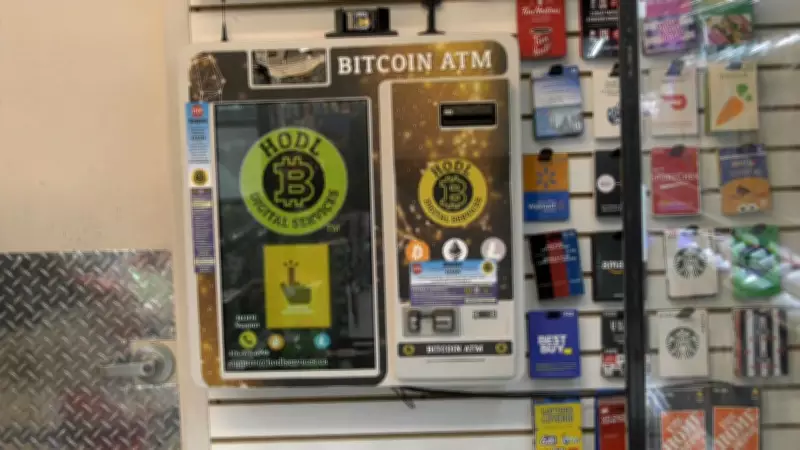
A cryptocurrency ATM in Kitchener, Ontario has reignited the debate over whether such machines should be banned in Canada. The device, photographed on May 6, 2026, serves as a focal point for discussions about the risks and benefits of these automated teller machines that allow users to buy or sell digital currencies like Bitcoin.
Rising Concerns Over Fraud and Crime
Critics argue that crypto ATMs are increasingly used for money laundering, scams, and other illicit activities. The unregulated nature of many machines makes them attractive to criminals seeking to bypass traditional financial oversight. Police across Canada have reported a surge in fraud cases involving crypto ATMs, where victims are coerced into depositing cash into the machines under false pretenses.
In recent months, several high-profile scams have targeted vulnerable individuals, including seniors and newcomers to cryptocurrency. The lack of robust identity verification at some ATMs exacerbates the problem, allowing anonymous transactions that can be difficult to trace.

Regulatory Efforts and Industry Response
Canadian regulators are grappling with how to address these concerns. Some provinces have already imposed stricter licensing requirements on crypto ATM operators, while others are considering outright bans. The federal government has also signaled a willingness to explore new regulations to curb misuse.
Industry advocates, however, warn that a ban could stifle innovation and drive cryptocurrency activity underground. They argue that properly regulated crypto ATMs provide a legitimate service, offering convenient access to digital assets for unbanked populations and those seeking financial privacy.
“Crypto ATMs are not inherently bad,” said a spokesperson for a Canadian crypto advocacy group. “What we need is sensible regulation that balances security with accessibility, not a blanket prohibition that ignores the technology’s potential.”
Public Opinion Divided
Public opinion on the issue remains divided. A recent poll indicated that a majority of Canadians support some form of restriction on crypto ATMs, particularly for minors. However, many also recognize the growing role of digital currencies in the global economy and are wary of heavy-handed government intervention.
The Kitchener ATM has become a symbol of this national debate. As lawmakers consider next steps, the outcome could set a precedent for how Canada handles emerging financial technologies in the years to come.