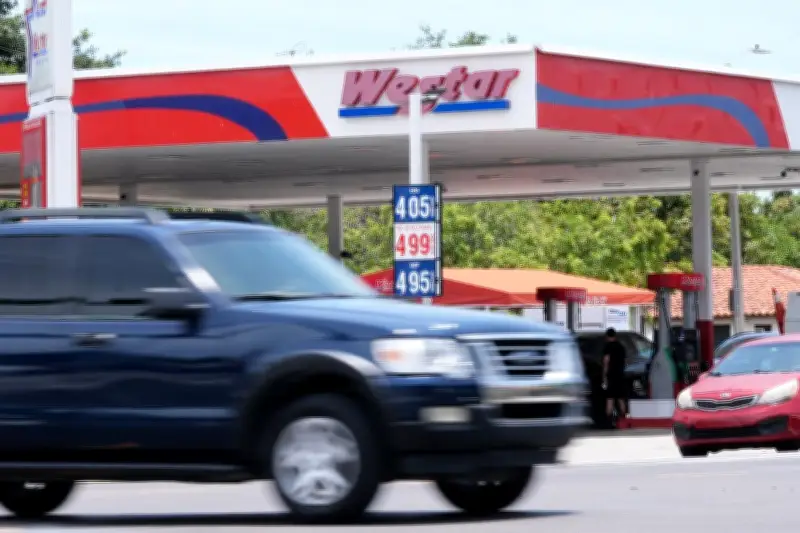
U.S. inflation accelerated to a three-year high in May, driven by a sharp increase in gasoline prices, underscoring persistent affordability challenges for households and businesses. The annual inflation rate reached 4.2%, up from 3.6% in April, according to data released Wednesday by the Labor Department. Core inflation, which excludes volatile food and energy costs, rose 3.8% year-over-year, slightly above the previous month's 3.7%.
Gasoline prices lead the surge
Gasoline prices jumped 12.1% in May from a year earlier, the largest increase since June 2022. The national average for a gallon of regular gas hit $4.15, up from $3.70 a year ago, according to AAA. Higher crude oil costs, refinery maintenance, and geopolitical tensions contributed to the spike. Energy prices overall rose 8.5% annually.
Broader price pressures
Food prices increased 3.2% year-over-year, while shelter costs rose 5.1%, remaining sticky. Used car prices climbed 4.5%, and medical care services were up 2.8%. Economists noted that while supply chain improvements have eased some pressures, services inflation remains elevated due to strong demand and rising wages.

Impact on consumers and policy
The inflation data complicates the Federal Reserve's path forward. The central bank has held interest rates steady at 5.25%-5.50% since July 2025, and markets now expect a rate cut later this year. However, the latest figures could delay easing. "Consumers are feeling the pinch at the pump and in grocery stores," said Sarah Johnson, chief economist at Market Insights. "Affordability remains a top concern for American families."
Political implications
The report comes amid an election year, with both parties seizing on inflation as a key issue. The Biden administration highlighted investments in clean energy and efforts to boost domestic oil production, while critics pointed to policies they argue have exacerbated price pressures. "We need to address the root causes of inflation, including energy costs," said Senator Mark Thompson (R-TX).
Outlook
Analysts expect inflation to moderate in the coming months as gasoline prices stabilize and the economy slows. However, risks remain from geopolitical events, supply chain disruptions, and labor market tightness. "We are not out of the woods yet," warned Johnson. "The Fed will need to carefully balance its dual mandate of price stability and maximum employment."