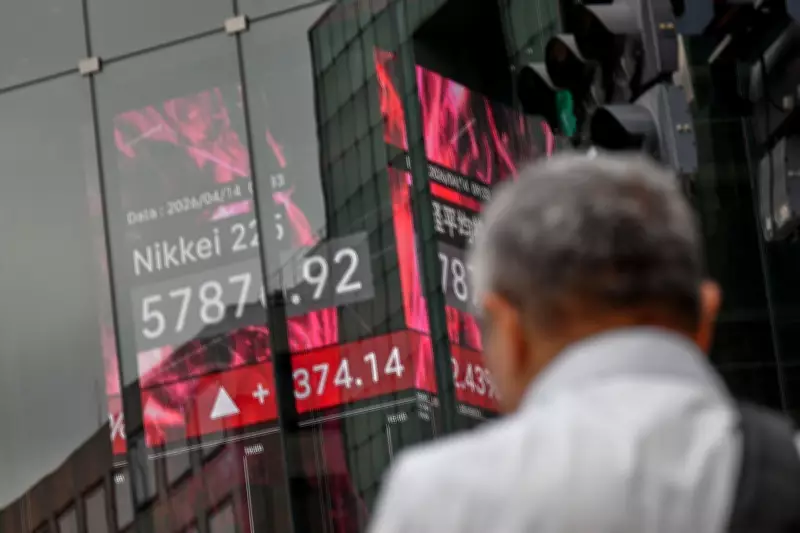
Asian Markets Rally as Oil Prices Retreat on Diplomatic Optimism
Financial markets across Asia demonstrated notable strength on Tuesday, with major indices posting gains as investors responded to growing optimism surrounding potential renewed negotiations between the United States and Iran. The positive sentiment emerged amid reports suggesting diplomatic channels might reopen, potentially easing longstanding geopolitical tensions that have influenced global energy markets for years.
Market Movements Reflect Geopolitical Developments
In Tokyo, Japan's benchmark Nikkei index climbed significantly, reflecting broader regional trends. Market analysts observed increased buying activity across multiple sectors as traders positioned themselves for what many hope could be a de-escalation in Middle Eastern tensions. The Nikkei's upward movement was particularly pronounced, with technology and export-oriented stocks leading the advance.
Concurrently, global oil prices experienced a marked decline, with both Brent crude and West Texas Intermediate futures dropping substantially. This inverse relationship between equity gains and energy price declines directly reflects market expectations that successful U.S.-Iran talks could lead to increased Iranian oil exports entering global markets, thereby alleviating supply constraints that have supported elevated prices.

Broader Economic Implications
The simultaneous stock market gains and oil price decreases highlight how geopolitical developments continue to shape global economic dynamics. Financial experts note that reduced tensions between Washington and Tehran could have far-reaching consequences beyond immediate market movements.
Potential outcomes include:- Increased stability in global energy supplies
- Reduced inflationary pressures from lower fuel costs
- Improved investor confidence in emerging markets
- Enhanced prospects for regional economic cooperation
Market participants are closely monitoring diplomatic developments, with many adopting cautious optimism about the potential for substantive negotiations. The timing of these market movements coincides with broader discussions about global economic recovery and energy security concerns that have dominated financial discourse throughout recent months.
Regional Market Performance
Beyond Japan's Nikkei, other Asian markets also registered gains, though with varying degrees of strength. Analysts attribute the differential performance to country-specific economic factors interacting with the broader geopolitical narrative. The overall regional trend, however, clearly demonstrates how international diplomacy can rapidly influence financial market sentiment and trading patterns.
As trading sessions progressed, volatility remained relatively contained compared to typical reactions to Middle Eastern developments, suggesting investors are awaiting more concrete diplomatic progress before making more substantial portfolio adjustments. This measured response indicates market participants recognize that while the prospect of renewed talks is promising, substantive agreements remain uncertain.
The interconnected nature of global markets means developments in Asian trading sessions will likely influence European and North American markets as their trading days commence, creating potential ripple effects across time zones and economic sectors.