Chemtrade Logistics Income Fund Units Fall After Rezoning Application Rejected
Units of Chemtrade Logistics Income Fund experienced a significant decline following the rejection of a rezoning application by a municipal council. This decision has directly impacted the company's operational expansion plans, leading to a sharp drop in investor confidence and stock value.
Council Decision Halts Expansion
The municipal council's refusal to approve the rezoning request has created a major obstacle for Chemtrade's proposed development. The company had sought to rezone land for industrial use, aiming to enhance its logistics and distribution capabilities. However, the council cited concerns over environmental impact and community alignment, leading to the denial.
This rejection not only delays Chemtrade's strategic growth initiatives but also raises questions about future regulatory hurdles. The company had invested considerable resources in planning this expansion, anticipating it would boost efficiency and market reach.

Market Reaction and Financial Implications
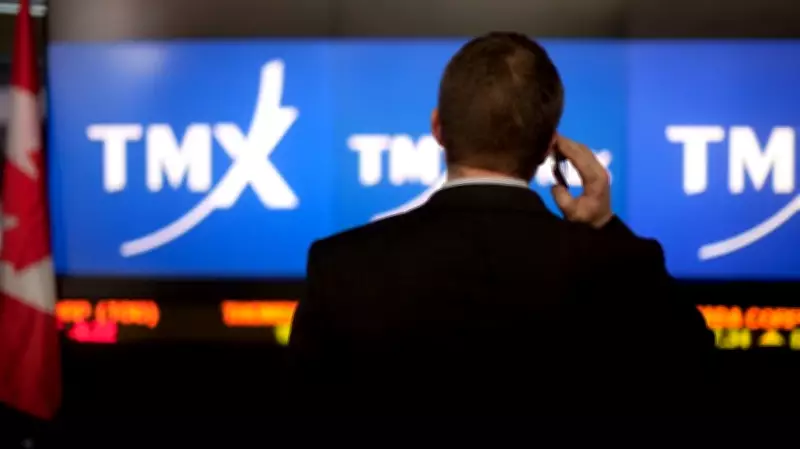
Immediately after the council's announcement, Chemtrade units fell sharply on the Toronto Stock Exchange. Analysts attribute this decline to heightened uncertainty regarding the company's ability to execute its growth strategy. The rezoning denial is seen as a setback that could affect Chemtrade's competitive position in the chemical logistics sector.
Investors are closely monitoring the situation, as the company may need to explore alternative sites or appeal the decision, both of which involve additional costs and time. This development underscores the challenges businesses face when navigating municipal regulations and community interests.
Broader Context and Industry Impact
The incident highlights the increasing scrutiny industrial companies face regarding land use and environmental compliance. Municipal councils are becoming more cautious in approving rezoning for industrial projects, balancing economic benefits with community and ecological concerns.
For Chemtrade, this event may prompt a reassessment of its expansion approach, potentially focusing on sites with fewer regulatory barriers or engaging more proactively with local stakeholders. The company's response will be critical in restoring investor trust and mitigating financial losses.
As the situation evolves, market participants will watch for updates on Chemtrade's next steps and any potential resolutions with the municipal council. The outcome could set a precedent for similar industrial rezoning cases across Canada, influencing how businesses plan their growth in regulated environments.