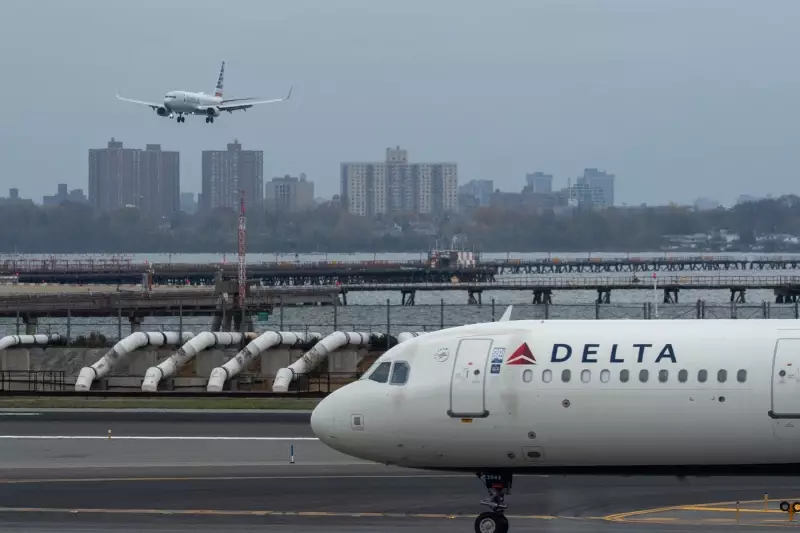
Delta Air Lines is projecting a significant rise in its earnings, driven by unwavering consumer demand for premium cabin experiences. The airline has simultaneously announced a substantial new order for Boeing 787 Dreamliner aircraft, signaling a major fleet expansion and modernization effort.
Premium Travel Demand Fuels Optimistic Outlook
The airline's positive financial forecast, issued on January 13, 2026, hinges on the continued strength of the premium travel segment. Despite broader economic uncertainties, passengers are consistently choosing to spend more on upgraded seats and services. This trend is providing a substantial revenue buffer and boosting profitability beyond the performance of standard economy cabins.
Delta's confidence in this sustained demand is a key indicator of the post-pandemic travel landscape, where comfort and enhanced experience remain high priorities for a large segment of flyers. This focus on higher-margin business is central to the company's strategy for growth.

Strategic Fleet Expansion with Boeing 787s
In tandem with its bullish earnings guidance, Delta has finalized an order for new Boeing 787 Dreamliner wide-body jets. This move represents a strategic investment in the airline's long-haul international fleet, which is crucial for serving premium routes across the Atlantic and Pacific.
The 787 Dreamliner is renowned for its fuel efficiency, passenger comfort features like higher cabin humidity and larger windows, and extended range. Integrating these aircraft will allow Delta to modernize its fleet, reduce operational costs, and enhance its competitive offering on lucrative international routes where premium demand is strongest.
Positioning for Future Growth
The dual announcement of strong earnings prospects and a new aircraft order paints a picture of an airline aggressively positioning itself for the future. Delta is leveraging current profitable trends to fund long-term capital investments.
This strategy underscores a belief that the appetite for premium air travel is not a fleeting phenomenon but a structural shift in the market. By aligning its fleet and service model with this demand, Delta aims to secure a leading position in the global aviation industry for the coming decade. The order also represents a significant commitment to manufacturer Boeing, impacting the broader aerospace supply chain.
While the exact number of 787s ordered and the financial terms were not disclosed in the initial report, the move is a clear signal of expansion. Industry analysts will be watching closely for delivery timelines and how these new aircraft are deployed across Delta's global network.