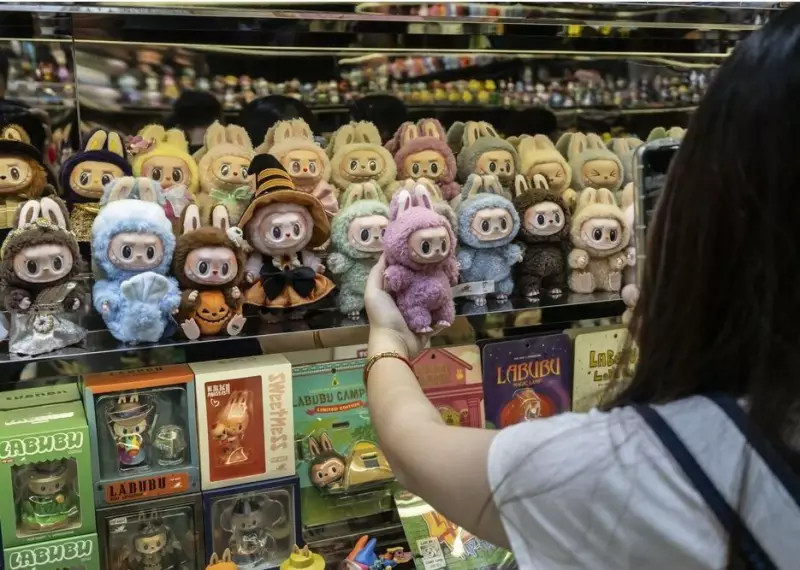
The explosive popularity of Labubu monster dolls shows worrying signs of a speculative bubble similar to the one that devastated Beanie Babies collectors in the late 1990s, according to a bearish market analyst. This warning comes as parent company Pop Mart International Group Ltd. faces growing investor skepticism about its ability to sustain growth beyond its flagship character.
The Beanie Baby Parallels
Melinda Hu, a senior research analyst for Asia consumer stocks at Bernstein in Hong Kong, identifies striking similarities between the current Labubu phenomenon and the Beanie Babies craze that ended in financial ruin for many collectors. Hu is currently the only analyst among 46 covering Pop Mart to assign a sell rating to the company's stock.
"The scarcity, the hunt, the dopamine hit and the secondary market fueling Labubu's popularity resembles the speculative cycle of Beanie Babies," Hu stated. She specifically cautioned that "I wouldn't advise long-term investors to add the shares without fundamental changes" in the Beijing-based toy company's business strategy.

Pop Mart's Stock Turbulence
The golden era for Pop Mart shares appears to be fading. The company's Hong Kong-listed stock has dropped more than 30% from its August peak, with some losses accelerating after an employee was heard questioning the price of one of its blind-box products during a live-streaming event.
This decline follows an extraordinary rally that saw shares surge more than 1,500% from the start of last year to their August high. Despite the recent downturn, the analyst community remains largely optimistic about Pop Mart's prospects, with 42 of 46 analysts maintaining "buy" or equivalent ratings, while three others recommend "hold."
Growing Dependence on Single IP
Investor concerns are mounting over Pop Mart's heavy reliance on the Labubu character. The "Monsters" product series that includes Labubu accounted for approximately 35% of total revenue in the first half of this year, a significant increase from just 14% a year earlier.
The company's third-quarter results, released in October, failed to alleviate fears about slowing growth into 2026, despite beating forecasts. Pop Mart shares slumped more than 9% on October 23 following the earnings report, reflecting market unease about the company's future growth drivers.
Market data reveals growing skepticism among traders. So-called short interest in Pop Mart stock as a percentage of its total free float climbed to 2.8% as of November 13, representing the highest level since April 2024 according to S&P Global Inc. data.
The historical precedent remains sobering for collectors and investors. Beanie Babies, created by unlisted company TY Inc., experienced a dramatic boom in value during the late 1990s before the bubble burst around 1999, rendering most of the collectible toys virtually worthless.