Windsor Restauranteur Highlights Deficiencies in Smart Serve Regulations
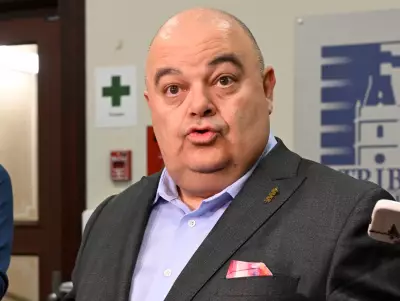
A prominent Windsor restauranteur has publicly criticized Ontario's Smart Serve alcohol service training program, asserting that the current regulations fail to adequately protect both staff members and patrons. The critique comes amid ongoing discussions about safety and liability in the province's hospitality sector.
Regulatory Shortcomings Exposed
The restauranteur, whose identity was confirmed in local reports, emphasized that the existing Smart Serve framework contains significant gaps that leave employees vulnerable to difficult situations involving intoxicated customers. "The training doesn't prepare staff for the real-world challenges they face daily," the business owner stated, pointing to insufficient protocols for handling aggressive behavior and overconsumption.
Furthermore, the criticism extends to patron protection, with concerns that the regulations do not sufficiently address prevention of alcohol-related incidents that could endanger customers. This regulatory deficiency creates unnecessary risks in establishments serving alcohol, according to industry observers familiar with the situation.

Broader Implications for Hospitality Industry
The Windsor case highlights systemic issues within Ontario's alcohol service regulations that could have implications across the province:
- Inadequate training for handling intoxicated patrons
- Limited legal protections for staff making judgment calls
- Insufficient guidelines for preventing alcohol-related accidents
- Potential liability issues for restaurant owners
These concerns emerge as the hospitality industry continues to recover from pandemic-related challenges, with many establishments reporting increased incidents involving alcohol consumption as business returns to normal levels.
Calls for Regulatory Review
Industry advocates are now calling for a comprehensive review of Smart Serve requirements to address the identified shortcomings. "We need regulations that reflect the current realities of alcohol service," noted one hospitality association representative. Proposed improvements include enhanced de-escalation training, clearer liability guidelines, and updated protocols for monitoring patron consumption.
The Windsor restauranteur's critique adds to growing concerns about alcohol service safety across Ontario, with similar issues reported in other municipalities. As the discussion gains momentum, stakeholders await potential regulatory adjustments that could reshape alcohol service standards throughout the province's hospitality sector.