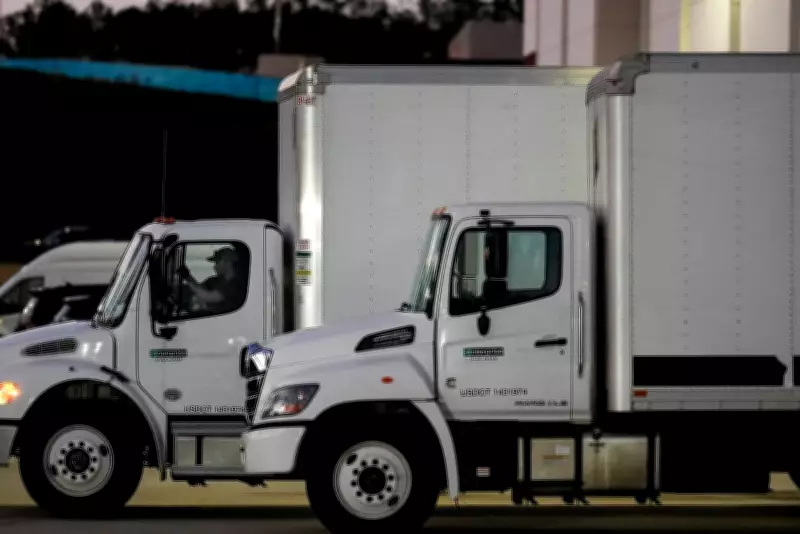
TFI International Inc., a major player in the transportation and logistics industry, is forging ahead with its growth strategy by actively pursuing acquisitions, despite a cloud of economic uncertainty that complicates long-term planning. The company's top executive has emphasized that expansion remains a priority, even as unpredictable trade conditions create challenges for forecasting the future.
Navigating a Volatile Economic Landscape
In an environment marked by fluctuating trade policies and global economic shifts, TFI International is not letting uncertainty deter its ambitions. The firm continues to scout for strategic acquisitions that can bolster its market position and diversify its services. This proactive approach underscores the company's commitment to growth, even when external factors make it difficult to predict outcomes with precision.
Strategic Moves in a Challenging Market
The logistics sector is particularly sensitive to trade dynamics, and TFI International's leadership acknowledges the hurdles posed by this volatility. However, they argue that waiting for perfect conditions is not an option. Instead, the company is leveraging its resources to identify and integrate businesses that align with its long-term vision, aiming to strengthen its footprint across North America and beyond.

Key factors driving this strategy include:
- Enhancing operational efficiency through expanded networks
- Diversifying service offerings to mitigate risks
- Capitalizing on market opportunities despite broader uncertainties
Implications for the Industry
TFI International's aggressive pursuit of growth sends a clear signal to the logistics and transportation sector. It highlights a trend where companies are prioritizing strategic acquisitions as a means to navigate economic headwinds. This move could inspire similar actions among competitors, potentially leading to increased consolidation within the industry.
As the company moves forward, stakeholders will be watching closely to see how these acquisitions impact its performance and resilience in the face of ongoing trade uncertainties. The outcome may set a precedent for how logistics firms adapt to an ever-changing global economy.