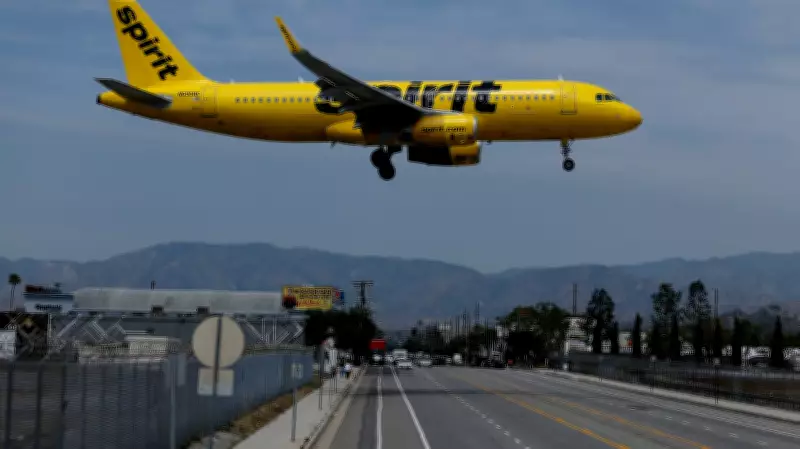
The Trump administration is engaged in advanced negotiations regarding a potential rescue package for low-cost carrier Spirit Airlines, which is currently struggling to exit bankruptcy proceedings, according to sources familiar with the matter. These discussions highlight an unintended consequence of the war in Iran initiated by Washington: a dramatic surge in jet fuel prices that is sending shockwaves through the global aviation sector, squeezing profit margins and pushing financially vulnerable airlines closer to collapse.
Fuel Price Spike Intensifies Financial Strain
Since the onset of the conflict, jet fuel costs have approximately doubled, compelling airlines to implement fare increases, reduce flight schedules, and urgently conserve cash reserves. For Spirit Airlines, which was already facing profitability challenges prior to this fuel shock, the price spike has significantly amplified doubts about its ability to survive independently. The airline's restructuring strategy, which assumed fuel costs of around $2.24 per gallon in 2026 and $2.14 in 2027, has been severely undermined by current prices hovering near $4.24 per gallon.
Government Intervention and Precedent Risks
The U.S. government is considering a financing package that could involve lending up to $500 million to Spirit Airlines in exchange for warrants, potentially granting Washington a substantial equity stake. However, the authority for such an intervention remains unclear, and any bailout would be unusual outside of broader industry relief programs. Analysts from J.P. Morgan have warned that providing aid to Spirit could set a difficult precedent, potentially prompting other carriers like JetBlue and Frontier to seek similar support and distorting competition across the industry.

Transportation Secretary Sean Duffy expressed skepticism about using public funds to rescue the airline, questioning whether it would merely delay an inevitable collapse. He emphasized concerns about putting "good money after bad" and noted the lack of clarity regarding potential buyers for Spirit. United Airlines CEO Scott Kirby also criticized Spirit's business model, describing it as fundamentally flawed and questioning its ability to cover operating costs.
Industry Implications and Competitive Landscape
The potential collapse of Spirit Airlines could have significant ramifications for the aviation market. Its exit would likely reduce capacity in key regions such as Fort Lauderdale, leading to higher fares and increased pricing power for surviving competitors like JetBlue and Frontier. This scenario underscores the broader industry fragility exacerbated by the fuel crisis, with airlines globally grappling with disrupted oil flows and traffic through critical chokepoints like the Strait of Hormuz.
President Donald Trump has indicated a preference for seeing Spirit acquired but has not ruled out government involvement, signaling a willingness to intervene in a case that tests the industry's resilience. The White House has stated it is monitoring the situation, with a spokesperson suggesting that Spirit might have had a stronger financial position if not for the blocked merger with JetBlue under the Biden administration.
As discussions continue, Spirit Airlines maintains normal operations but faces mounting pressure from soaring fuel costs and uncertain prospects. The outcome of these talks could reshape not only the future of Spirit but also set a precedent for government intervention in the aviation sector during times of crisis.