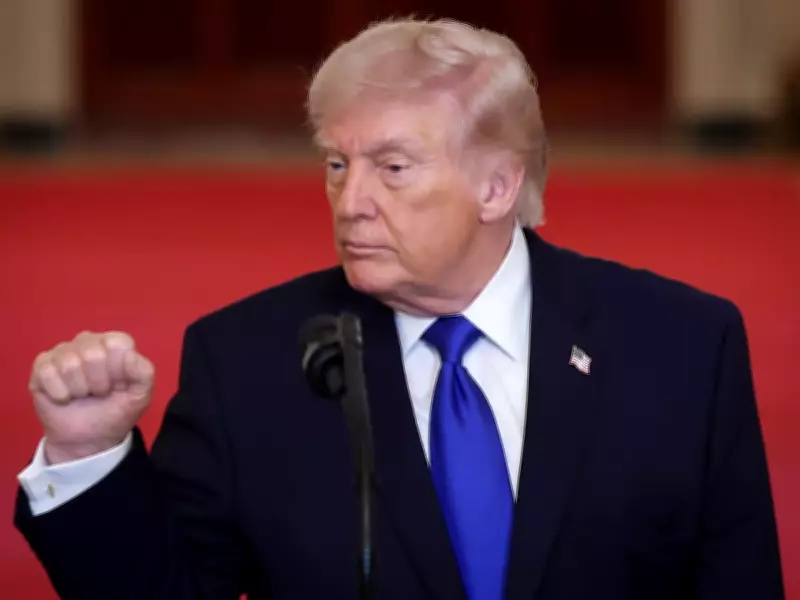
In a recent interview with the Financial Post, Laura Lau, the chief investment officer at Brompton Funds, provided a detailed analysis of the major forces influencing global markets in 2026. She highlighted that former U.S. President Donald Trump's tariffs have likely reached their peak, signaling a potential shift in trade policies that could impact economic dynamics worldwide.
Key Market Forces in 2026
Lau emphasized that the current market environment is being shaped by two primary factors: the evolution of Trump's tariff strategies and the growing concerns around artificial intelligence, often referred to as the AI scare trade. According to her, these elements are creating both challenges and opportunities for investors navigating volatile conditions.
Trump Tariffs: A Peak in Protectionism
Lau suggested that the aggressive tariff measures implemented during Trump's presidency may have hit their maximum level. She explained that while these policies initially aimed to protect domestic industries, their prolonged effects could lead to diminishing returns, prompting a reassessment by policymakers and market participants alike.

AI Scare Trade: Navigating Technological Fears
The AI scare trade, as Lau described it, involves investor anxiety over the rapid advancement and potential disruptions caused by artificial intelligence technologies. She noted that this fear is driving fluctuations in tech stocks and related sectors, requiring careful portfolio adjustments to mitigate risks while capitalizing on growth prospects.
Investment Strategies for Current Conditions
To address these market forces, Lau recommended that investors adopt a balanced approach. This includes diversifying portfolios to hedge against tariff-related uncertainties and selectively investing in AI-driven companies with strong fundamentals. She stressed the importance of staying informed about policy developments and technological trends to make proactive decisions.
Overall, Lau's insights underscore the need for vigilance and adaptability in today's investment landscape, as geopolitical and technological factors continue to evolve rapidly.