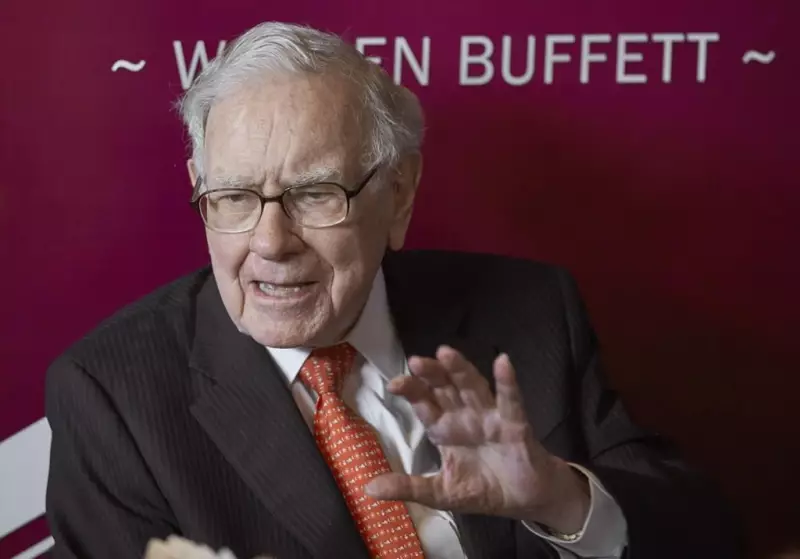
The investment world is witnessing a historic shift as Warren Buffett, the iconic chairman and CEO of Berkshire Hathaway, begins to step back from his legendary role, signaling the start of a new era for the sprawling conglomerate.
A Philanthropic Move Highlights the Transition
This transition phase was underscored by a significant philanthropic act. On Wednesday, November 23, 2022, Buffett donated more than $750 million in Berkshire Hathaway stock to four foundations run by his family. Notably, this substantial gift differed from his usual annual summer donations to charity, as it did not include the Bill & Melinda Gates Foundation.
The donation serves as a poignant marker of change for the "Oracle of Omaha," whose wisdom and folksy demeanour have guided Berkshire and captivated shareholders for decades. The company's annual meetings in Omaha, Nebraska, have become pilgrimage sites for investors worldwide, drawn by Buffett's and Vice Chairman Charlie Munger's insights.

The Challenge of Succeeding a Legend
Buffett's gradual withdrawal presents Berkshire Hathaway with its most significant challenge in over half a century: navigating a future without its visionary leader at the helm every day. The conglomerate, which owns a vast portfolio including Geico, BNSF Railway, and Dairy Queen, must now prove the resilience of its culture and investment philosophy.
Succession plans have long been in place, with key executives like Greg Abel and Ajit Jain taking on more public responsibilities in recent years. The core question for investors and the market is whether the unique value system and capital allocation discipline instilled by Buffett can be sustained by the next generation of leadership.
What the New Era Holds for Investors
For Canadian and global investors who have long looked to Buffett for guidance, this transition is more than a corporate headline; it's a symbolic end to an unparalleled period in financial history. The move prompts a fresh evaluation of Berkshire's massive equity portfolio and its future strategic direction.
While Buffett, now in his nineties, remains Chairman and a significant shareholder, his reduced day-to-day involvement marks a definitive turning point. The company's future acquisitions, its famed annual shareholder letters, and its approach to market volatility will all be watched for signs of evolution or steadfast continuity.
The new era for Berkshire Hathaway is not about immediate upheaval but about the careful stewardship of a legacy. The world will be watching to see if the principles of value investing, patience, and corporate integrity that Buffett championed can endure as successfully as they were built.