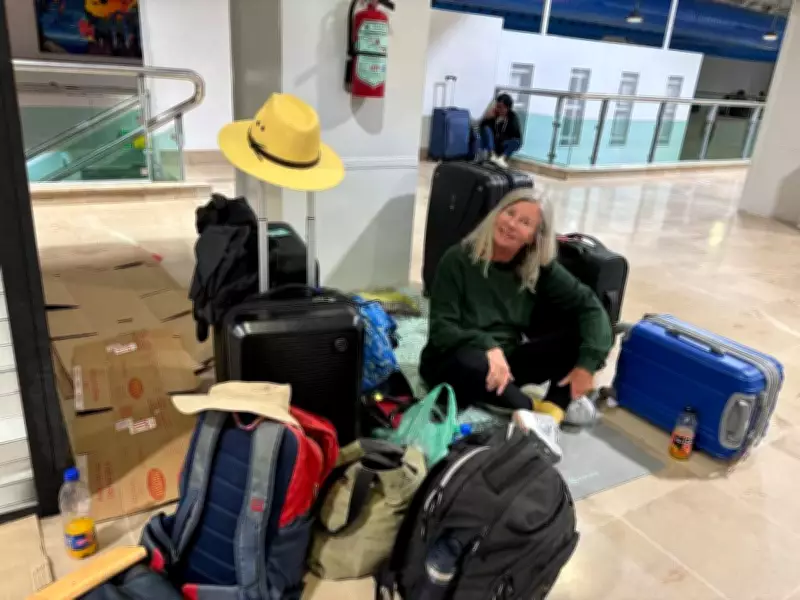
A group of Canadian passengers has come forward with serious allegations against WestJet, claiming they were effectively abandoned by the airline during a recent trip to Mexico. The travelers are now demanding compensation for what they describe as a complete breakdown in service and support.
Passengers Report Feeling 'Abandoned' in a Foreign Country
The incident, which has sparked outrage among those affected, involved multiple Canadian citizens who found themselves without proper assistance from WestJet while in Mexico. According to their accounts, the airline failed to provide adequate communication, alternative travel arrangements, or basic customer support during a critical disruption to their travel plans.
Details of the Stranding Incident
While specific dates and flight numbers remain undisclosed, the passengers report that WestJet's response to whatever caused the travel interruption was severely lacking. "We felt completely abandoned," one traveler stated anonymously, echoing the sentiment of many in the group. "There was no clear information, no help with accommodations, and no timeline for when we might actually get home."

The situation left Canadian tourists in a precarious position, forced to navigate foreign systems and potentially incur unexpected expenses for food, lodging, and local transportation—all while receiving minimal guidance from the airline they had paid for their journey.
Formal Demands for Financial Compensation
In response to their ordeal, the affected passengers have organized to formally demand compensation from WestJet. They argue that the airline's actions—or lack thereof—constitute a breach of their duty of care to customers. The compensation being sought is intended to cover both the direct financial burdens imposed by the stranding and the significant stress and inconvenience endured.
"This isn't just about a delayed flight," explained another passenger. "This is about a systemic failure to support your customers in a crisis. We paid for a service that included a reasonable expectation of assistance if things went wrong, and that simply did not happen."
Broader Implications for Airline Accountability
This incident raises important questions about airline accountability, particularly when operating international routes. Canadian travelers stranded abroad rely heavily on their carriers for support, as embassies and local resources may be limited. When an airline like WestJet allegedly fails in this fundamental responsibility, it can leave passengers vulnerable and financially exposed.
The group's public call for compensation also highlights growing consumer expectations for transparency and reliability in the travel industry. As international travel rebounds, passengers are increasingly vocal about holding airlines to account for service disruptions, especially those that appear to stem from poor planning or inadequate contingency measures.
WestJet's Response and Next Steps
At the time of reporting, WestJet has not issued a detailed public statement addressing these specific claims. The airline typically encourages customers to contact their support teams directly to resolve individual complaints. However, the collective nature of this complaint and the severity of the allegations suggest that a more comprehensive response may be necessary.
The stranded passengers indicate they are prepared to escalate their demands if a satisfactory resolution is not reached. This could involve formal complaints to regulatory bodies like the Canadian Transportation Agency, which oversees air passenger rights and can adjudicate disputes over compensation.
For now, the incident serves as a cautionary tale for travelers and a pointed challenge to WestJet's customer service protocols. As one affected passenger summarized, "We just want to make sure this doesn't happen to anyone else. And we believe fair compensation is the first step toward accountability."