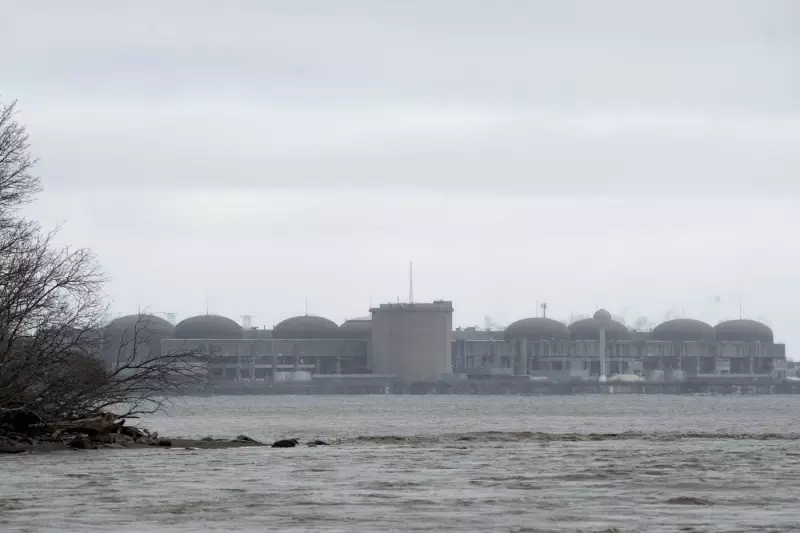
A vote regarding a proposed nuclear power plant has left an Alberta county deeply divided, forcing residents to confront a decision that could reshape their community's identity and economic future.
The Vote That Split a Community
The division became public on November 15, 2025, following a significant vote in Thorhild County. The ballot measure centered on a planned nuclear generating station, a project promising substantial economic investment but raising profound questions about safety and environmental legacy.
Proponents argue the facility would bring high-paying jobs and long-term municipal revenue, potentially allowing some residents to start their life over with newfound financial stability. They see it as a cornerstone for the region's economic diversification beyond traditional energy sectors.

Weighing Economic Promise Against Potential Peril
Opponents, however, voice strong concerns about environmental risks, long-term waste storage, and the fundamental transformation of their rural community. The debate has pitted neighbor against neighbor, with some fearing the project's permanent impact on the area's character and natural landscape.
The situation in Thorhild County reflects a broader national conversation about the role of nuclear power in Canada's energy transition. As the federal government pushes for a non-emitting electricity grid, provinces like Alberta are exploring all options, including nuclear technology.
A Microcosm of a National Debate
This local conflict highlights the complex trade-offs communities face when considering major energy infrastructure. The outcome of the vote, while a critical local decision, is being watched closely by other municipalities and energy policymakers across the country.
The deep division underscores that the path to a new energy future is rarely straightforward, forcing Canadians to balance economic opportunity with environmental stewardship and community values in real time.