Alberta Premier Outlines Multiple Pipeline Options to Access Asian Markets
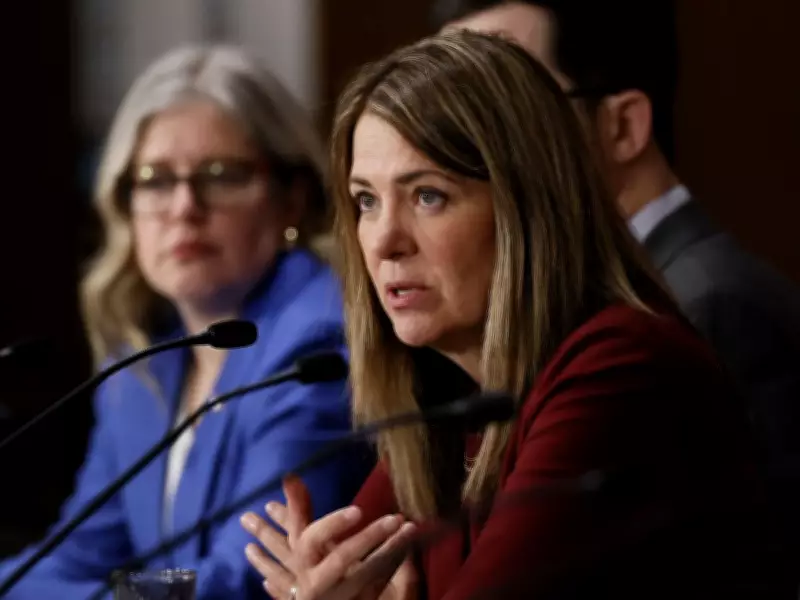
Alberta Premier Danielle Smith has identified several potential routes for a proposed new oil pipeline to Canada's west coast, with the provincial government focusing on expanding export capacity to Asian markets. In a recent interview with Bloomberg News, Smith revealed that five different port locations are currently under consideration for the ambitious infrastructure project.
Expanding Export Capacity to Asia
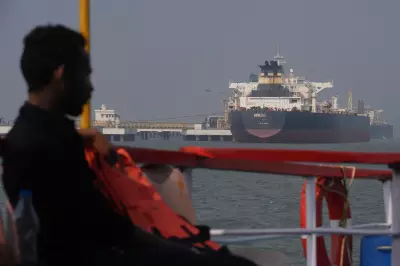
The Alberta government aims to add sufficient pipeline capacity to transport an additional 1 million barrels of oil per day to an ocean port, from where it could be shipped to buyers in Asia. This initiative aligns with broader national efforts to diversify Canada's trade relationships away from the United States, particularly in light of former President Donald Trump's tariff policies.
Prime Minister Mark Carney has emphasized the importance of expanding Canada's energy exports beyond its southern neighbor. In late January, Carney told Parliament that an agreement signed with Alberta in November "will build a pipeline to tidewater," though significant debates continue regarding the project's specifics, including optimal routing and associated costs.

Northwest British Columbia Emerges as Leading Contender
Smith's criteria suggest that Prince Rupert in northwest British Columbia may represent the most promising option among the potential endpoints. The northern city already serves as Canada's third-largest port after Vancouver and Montreal and functions as a crucial exit point for various Alberta commodities, including grain, propane, and plastics.
"Maybe it makes more sense to take it up to an area where there's less congestion and it might allow for additional export of other items," Smith explained regarding the advantages of northwest B.C. "If you end up with a 24-hour a day operation on more high-value products like that."
The Premier has explicitly ruled out Kitimat as a potential endpoint, describing the remote community at the end of windy fjords as "too complex" for oil tanker operations.
Technical Studies and Federal Approval Process
Alberta has initiated technical studies on the proposed pipeline project in an effort to accelerate approval through the federal Major Projects Office. These studies represent a crucial step in advancing the infrastructure initiative while addressing regulatory requirements and environmental considerations.
Smith's office has declined to disclose the specific five sites currently under consideration, maintaining confidentiality around the ongoing evaluation process. However, the Port of Vancouver is simultaneously planning a major expansion of container-handling capacity at Roberts Bank, located south of Vancouver and just north of the U.S. border, presenting another potential option for southwestern routing.
Indigenous Community Negotiations Present Challenges
Any pipeline project through northern British Columbia will face potentially difficult negotiations with Indigenous communities, many of whom have expressed opposition to crude oil pipelines in the region. Federal legislation currently prohibits oil tankers from operating along that portion of the B.C. coastline, adding another layer of complexity to the proposed development.
These challenges echo previous pipeline controversies in Canada, including the contentious expansion of the Trans Mountain pipeline, which opened in 2024 after multiple attempts to block the project were thwarted. The federally-owned Trans Mountain pipeline now ships Alberta heavy crude to Asian markets via a terminal in Burnaby, B.C., establishing a precedent for west coast oil exports.
Strategic Importance for Canada's Energy Sector
The proposed pipeline represents a strategic initiative for Canada's energy sector, which remains the country's largest export industry. With the United States currently serving as the primary market for Canadian energy products, diversification to Asian markets including China and India has become a national priority.

Smith noted last week that she and British Columbia Premier David Eby share "so much common ground" on resource development matters, including the possibility of further expanding the Trans Mountain pipeline system. This collaborative approach between provincial leaders may facilitate progress on the new pipeline proposal despite the significant challenges that lie ahead.
As Alberta continues to evaluate its options, the provincial government remains focused on developing infrastructure that can enhance Canada's position in global energy markets while navigating complex regulatory environments and community relationships.