Atlantic Canada's Energy Isolation Intensifies Amid Persistent Pipeline Divide
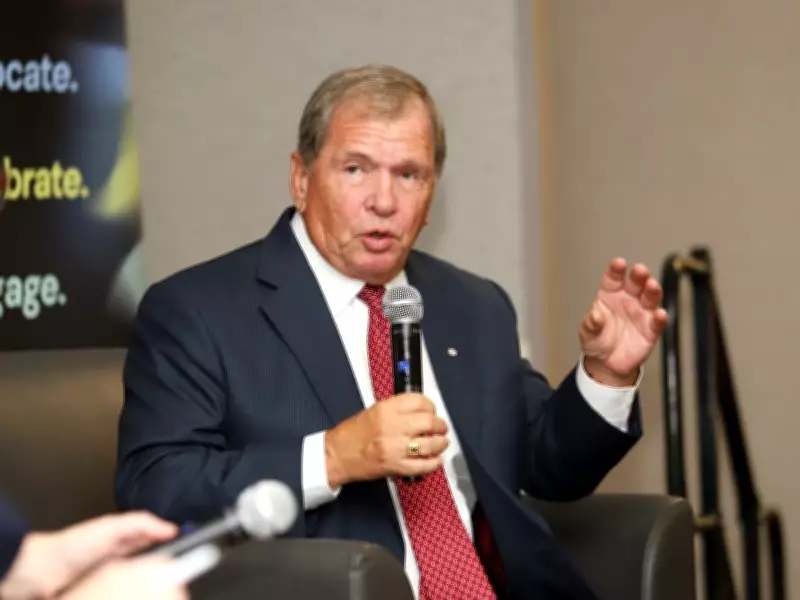
Atlantic Canada is confronting a deepening energy crisis as guaranteed pipeline access to Western Canadian resources dwindles while dependence on overseas fuel imports remains high. Former New Brunswick premier Frank McKenna warns this situation poses significant threats to regional economic growth and Canada's overall energy sovereignty.
Persistent East-West Divide Exacerbates Regional Vulnerability
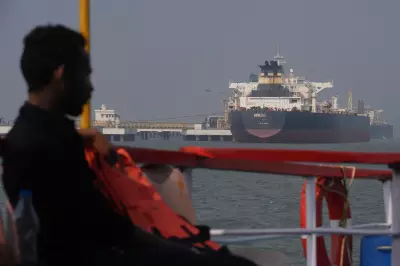
The longstanding divide between Western and Eastern Canada continues to manifest in energy policy, with Western provinces exporting oil and natural gas to the United States—often at discounted prices—while Atlantic Canada imports approximately 500,000 barrels per day of foreign crude along with liquefied natural gas from overseas sources. McKenna emphasizes that this disparity represents a missed strategic opportunity, particularly as European markets seek alternatives to both Russian and American energy supplies.
"Having control over our energy resources is essential for a country," McKenna stated. "In our case, there's a significant divide between the West and the East that we need to overcome."He further noted that European buyers specifically want energy from Eastern Canada, but political obstacles prevent Canada from capitalizing on this demand.

Quebec Separatism Adds Layer of Political Risk
The resurgence of separatist sentiment in Quebec introduces additional complications for Atlantic Canada's energy security. With the Parti Québécois leading in polls and a provincial election scheduled this year, the possibility of another referendum creates uncertainty for energy infrastructure planning.
"We're facing a possible separatist referendum in Quebec and we're on the other side of the fault line," McKenna explained. "Anything dramatic that happens in Quebec affects all of Atlantic Canada. We haven't been able to get an oil pipeline and we haven't been able to get gas through."
Although pipeline infrastructure exists within Quebec, Atlantic Canada cannot freely access natural gas moving through that province. McKenna advocates for federal intervention to prevent Quebec from restricting access to what he describes as vital national energy corridors.
Looming Contract Expiration Threatens Guaranteed Access
Mark Oberstoetter, head of research for upstream companies at energy consultancy Wood Mackenzie Ltd., highlights an imminent commercial deadline that compounds the political challenges. The 10-year contracts guaranteeing space on TC Energy Corp.'s Canadian Mainline—the primary pipeline transporting Western Canadian natural gas eastward—are set to expire at the end of December.
These contracts provide reserved capacity that feeds into the Trans Québec & Maritimes Pipeline. However, since no direct pipeline connects Quebec and New Brunswick, gas must currently loop through the United States before re-entering the Maritimes region.
Once these contracts lapse, Atlantic Canada will lose guaranteed access to Western Canadian supply.Shift Toward U.S. Dependence Increases Vulnerability
In the absence of new infrastructure development, the region may become increasingly reliant on the Maritimes & Northeast Pipeline, an aging system that was reversed in recent years to carry U.S. natural gas northward. This transition effectively positions the Maritimes at the terminus of a U.S. supply chain, exposing the region to American price volatility and competition from U.S. buyers.
The combination of expiring pipeline contracts, political uncertainty in Quebec, and growing dependence on U.S. energy infrastructure creates what McKenna describes as a perfect storm threatening Atlantic Canada's economic prospects and energy security. The situation underscores broader challenges in Canadian energy policy and interprovincial cooperation that require urgent attention from federal and provincial leaders.