Half of the contentious issues outlined in a landmark energy agreement between Alberta and the federal government are now more than a month past their deadline, but Canada's energy minister insists both parties remain committed to the process.
Minister's Remarks in Calgary
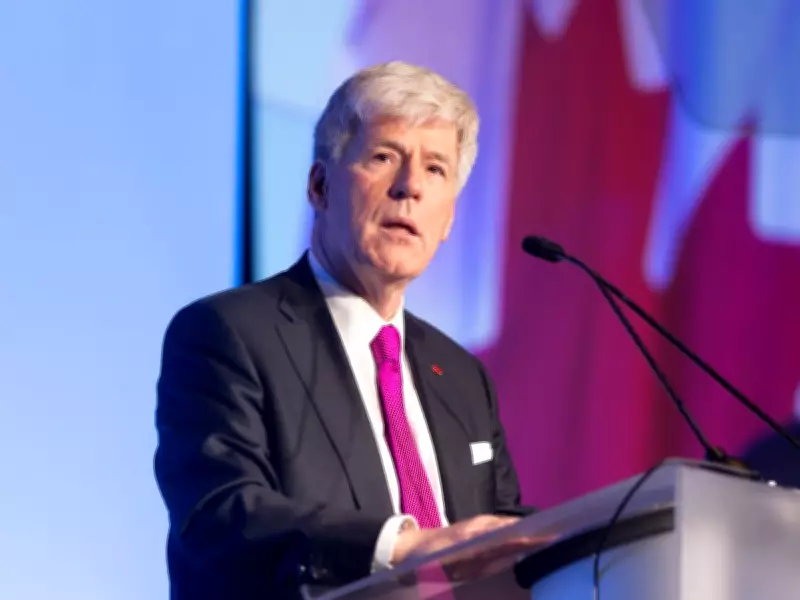
Federal Energy and Natural Resources Minister Tim Hodgson addressed the Canadian Association of Energy Contractors' annual luncheon in Calgary on Friday, telling an audience of approximately 500 industry members that Alberta and Ottawa still share a vision for the country's energy future.
"We still share a vision of how we become a clean and conventional energy superpower," Hodgson said. The minister did not take questions from the media following his speech.

Background of the Memorandum of Understanding
The memorandum of understanding between Alberta and the federal government originally set an April 1 deadline for reaching agreements on several key issues. These agreements were prerequisites for Alberta to proceed with a new oil export pipeline. While some progress has been made, half of the issues remain unresolved.
Before the deadline, the two governments reached agreements in principle on two fronts: methane equivalency, which aims to reduce Alberta's emissions by 75 percent below 2014 levels by 2035, and environmental impact assessments, designed to eliminate duplicate or overlapping project reviews.
Outstanding Issues
Still under negotiation are a deal on industrial carbon pricing and a plan to develop a large-scale carbon capture and storage network. The latter requires buy-in from a consortium of major oilsands companies, adding complexity to the talks.
Tristan Goodman, chief executive of the Explorers and Producers Association of Canada, told reporters he is not yet alarmed by the delay but is watching closely.
"I would hope to see something coming out within weeks … at the most, a month and a bit," Goodman said. "If we're still talking about this in the fall, I think we have a problem."
Industry Perspective
Goodman noted that the industry and its investors are carefully monitoring the negotiations, as the outcome will directly affect the pace of development. "It does make a difference if development will move forward and at what rate," he said. However, he added that he hears commitment from both federal and provincial elected officials to continue moving forward.
"I think they're in the tough final part of this negotiation," Goodman said. "We can see a number of pieces that have moved forward."
The energy deal is seen as critical for Alberta's economic future and Canada's ambitions to become a global energy leader while addressing climate change. Industry members remain cautiously optimistic that a resolution is near.