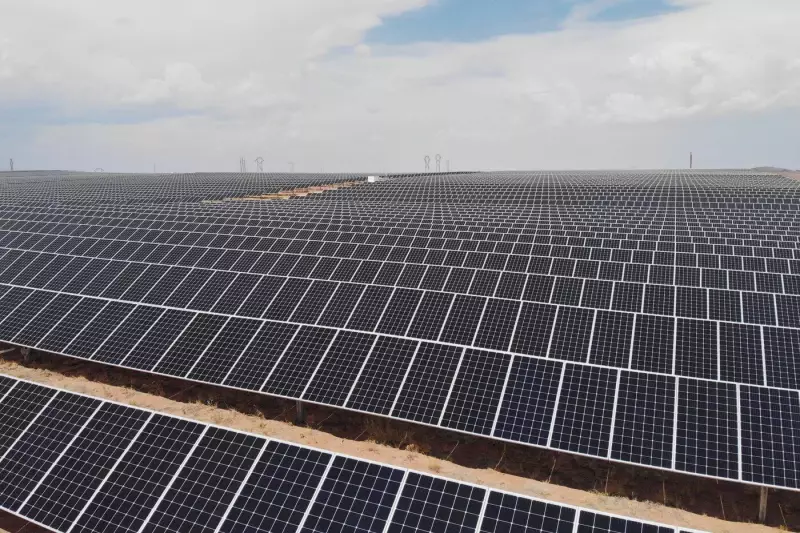
In a significant development for the solar energy industry, Canadian Solar Inc. has emerged victorious from a patent challenge in the United States. The company won a ruling from the U.S. Patent Trial and Appeal Board against its competitor, Maxeon Solar Technologies.
A Decisive Victory in Intellectual Property
The ruling, issued on January 15, 2026, represents a crucial win for Canadian Solar in a sector where technological innovation and intellectual property are fiercely contested. The U.S. Patent Trial and Appeal Board sided with Canadian Solar, invalidating the claims of the patent challenge brought by Maxeon.
This legal decision strengthens Canadian Solar's intellectual property portfolio and provides it with greater freedom to operate in the lucrative U.S. solar market. Patent disputes of this nature are common among leading technology firms, as they seek to protect their research investments and secure competitive advantages.

Implications for the Solar Energy Market
The outcome of this case has direct implications for the dynamics within the North American solar panel manufacturing and supply chain. A favorable patent ruling can prevent costly litigation, remove barriers to product sales, and solidify a company's market position.
For Canadian Solar, this win is more than just a legal formality. It validates the company's research and development efforts and potentially safeguards its specific solar cell and module technologies from similar challenges in the future. In the fast-evolving renewable energy sector, such protections are vital for continued growth and investor confidence.
Looking Ahead for the Industry
While the specific technical details of the contested patent were not disclosed in the initial report, the ruling underscores the intense competition between major solar manufacturers. Companies like Canadian Solar and Maxeon are continuously innovating to improve solar panel efficiency, durability, and cost-effectiveness.
This legal victory allows Canadian Solar to continue its operations and expansion plans in the United States with reduced intellectual property risk. The decision may also influence future strategies for both companies regarding patent filings and technology licensing agreements. As demand for clean energy solutions grows, robust and defensible technology will remain a key differentiator in the global marketplace.