Carney Announces Temporary Fuel Tax Suspension Amid Energy Crisis
Prime Minister Mark Carney has declared a suspension of the federal fuel excise tax until Labour Day weekend, a direct response to soaring gasoline prices that have surged by approximately 45 percent throughout 2026. The dramatic increase in energy costs is primarily attributed to the ongoing Iran war, which has disrupted global oil markets and placed significant financial strain on Canadian households.
Tax Relief Measures to Ease Consumer Burden
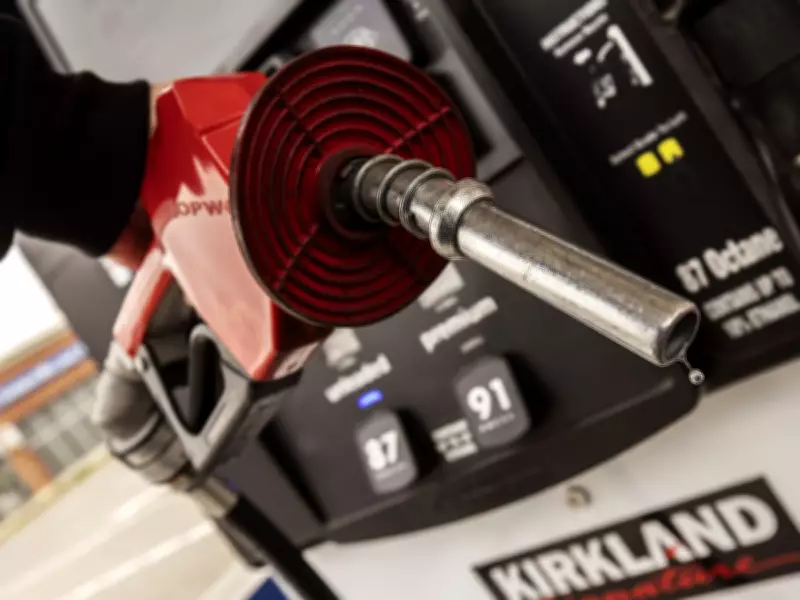
Carney characterized this initiative as a "responsible, temporary measure" designed to provide immediate financial relief to Canadians. The suspension is projected to reduce gasoline prices by 10 cents per litre and diesel prices by 4 cents per litre at the pump. This action follows Carney's previous decision to eliminate Canada's consumer carbon tax last year, demonstrating a continued focus on mitigating energy-related expenses for citizens.
"When Canadians are facing financial pressures, they carefully manage their expenses," Carney stated in prepared remarks. "They expect their government to do the same." The Prime Minister emphasized that this targeted intervention aims to address the acute cost-of-living challenges while maintaining fiscal responsibility.

Political Context and Public Support
This announcement arrives just one day after Carney's Liberal Party secured victories in three special elections, granting the government a parliamentary majority for the first time since Carney assumed office approximately one year ago. This strengthened political position enables the administration to advance its legislative agenda without requiring opposition support and reduces the likelihood of an imminent federal election.
The fuel tax suspension represents the second instance this year that Carney's government has implemented tax adjustments to combat rising consumer prices. In January, officials increased Canada's goods and services tax credit for a five-year duration, supplemented by a one-time June top-up specifically targeted at grocery bill assistance.
Public Opinion and Political Debate
A recent Nanos Research Group poll conducted for Bloomberg revealed that reducing fuel taxes stands as Canadians' foremost preference for addressing the current price escalation. Alongside the excise tax, Canadian gasoline remains subject to an additional five percent goods and services tax. Conservative Leader Pierre Poilievre, Carney's principal political opponent, has advocated for the elimination of all federal gasoline taxes until year's end, highlighting the partisan divide in approaches to economic relief.
Economic Implications and Fiscal Challenges
While Carney's broader economic agenda concentrates on enhancing long-term productive capacity and real wage growth, his administration has confronted persistent demands to deliver near-term support to Canadians grappling with inflation. The suspension of fuel excise taxes will inevitably reduce government revenue, compounding existing fiscal pressures. The federal government is already projected to operate with a $65.4 billion deficit during the current fiscal year, raising questions about the sustainability of such tax relief measures.
This strategic move underscores the delicate balance between providing immediate consumer assistance and maintaining fiscal discipline amid global economic uncertainty exacerbated by international conflict.