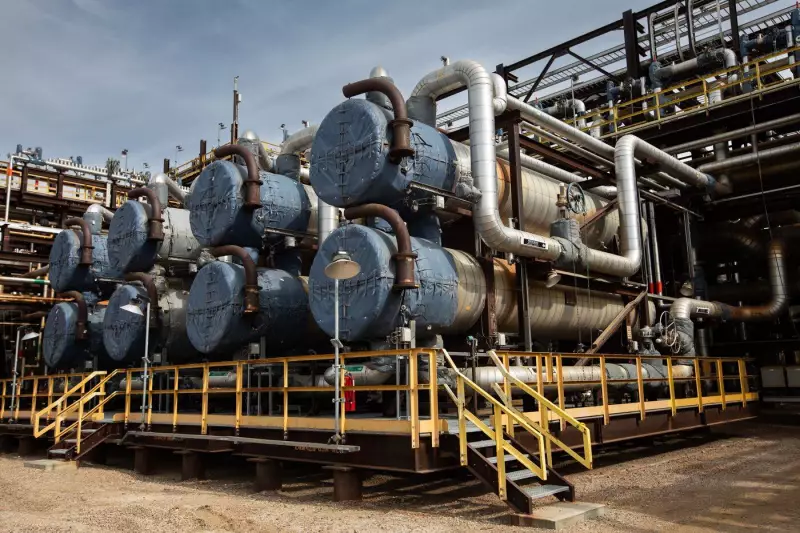
Canadian energy giant Cenovus Energy has officially closed its acquisition of MEG Energy, bringing to conclusion a corporate takeover saga that has captured industry attention for months. The transaction, finalized on November 13, 2025, represents another significant consolidation within Canada's energy sector.
The Final Chapter in Energy Sector Consolidation
The completion of this deal marks a pivotal moment in the ongoing restructuring of Canada's oil and gas industry. Cenovus, already a major player in the Alberta oilsands, has now expanded its portfolio significantly with the addition of MEG Energy's assets and operations.
The acquisition was formally completed at 2:30 PM EST on November 13, 2025, according to the official announcement. This timing comes after extensive negotiations and regulatory approvals that characterized the extended takeover process between the two energy companies.

Strengthening Oilsands Operations
MEG Energy brings substantial oilsands assets to the Cenovus portfolio, particularly enhancing the company's position in steam-assisted gravity drainage (SAGD) technology. This advanced extraction method has become increasingly important in the Canadian energy landscape due to its improved efficiency and reduced environmental impact compared to traditional methods.
The integration of MEG's operations is expected to create significant synergies for Cenovus, particularly at facilities like the Christina Lake oilsands operation located southeast of Fort McMurray, Alberta. This facility represents state-of-the-art in oilsands processing, where steam generation, water processing, and bitumen preparation occur before further refinement.
Industry Implications and Future Outlook
This consolidation reflects broader trends in the Canadian energy sector, where companies are seeking scale and operational efficiencies amid challenging market conditions. The combined entity now possesses enhanced capabilities in both conventional and unconventional resource development.
The most current SAGD technology requires less energy per wellhead to harvest bitumen, making the acquisition particularly valuable from both economic and environmental perspectives. This efficiency gain positions the merged company for improved competitiveness in global energy markets.
Industry analysts anticipate that this transaction will likely prompt further consolidation within the sector as companies seek to optimize operations and strengthen their market positions. The successful completion of this deal demonstrates continued investor confidence in Canada's energy industry despite ongoing challenges.