Massive Nuclear Investment to Transform Czech Energy Landscape
The Czech Republic has unveiled an ambitious $19 billion nuclear expansion plan that represents one of Europe's most significant energy infrastructure projects. This strategic initiative aims to dramatically transform the country's power generation capabilities while addressing climate change concerns.
Government officials confirmed the comprehensive plan that will double the nation's nuclear output through new reactor construction and facility upgrades. The massive investment underscores the country's commitment to achieving energy independence and meeting its climate obligations.
Detailed Timeline and Implementation Strategy
The nuclear expansion program is scheduled for completion by 2035, with construction phases carefully mapped out to minimize disruption to existing power supplies. The plan includes both new reactor construction at existing nuclear sites and significant upgrades to current facilities.

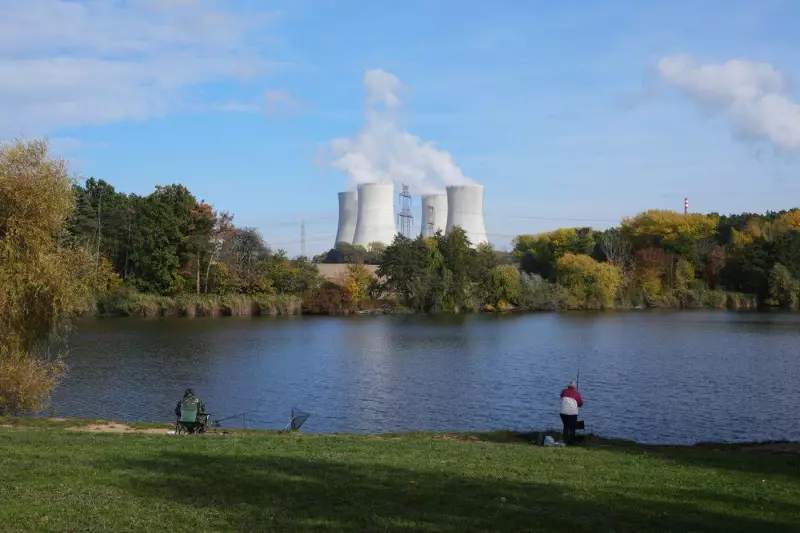
At the Dukovany nuclear power plant, where preliminary work has already begun, officials have emphasized the importance of maintaining safety standards while accelerating development timelines. The project will create thousands of high-skilled jobs and position the Czech Republic as a regional leader in nuclear technology.
Environmental and Economic Implications
This strategic shift away from fossil fuels represents a pivotal moment in Central European energy policy. By transitioning to nuclear power, the Czech Republic expects to significantly reduce its carbon emissions while stabilizing energy costs for consumers and industries.
The $19 billion investment will not only secure the country's energy future but also stimulate economic growth through technology transfer and workforce development. International energy experts are closely watching this project as a potential model for other nations seeking to balance energy security with environmental responsibility.
As global energy markets continue to evolve, the Czech nuclear expansion demonstrates how countries can take decisive action to address both climate change and energy independence simultaneously.