Iran's Attacks on Gulf Aluminum Plants Spark Global Supply Crisis Fears
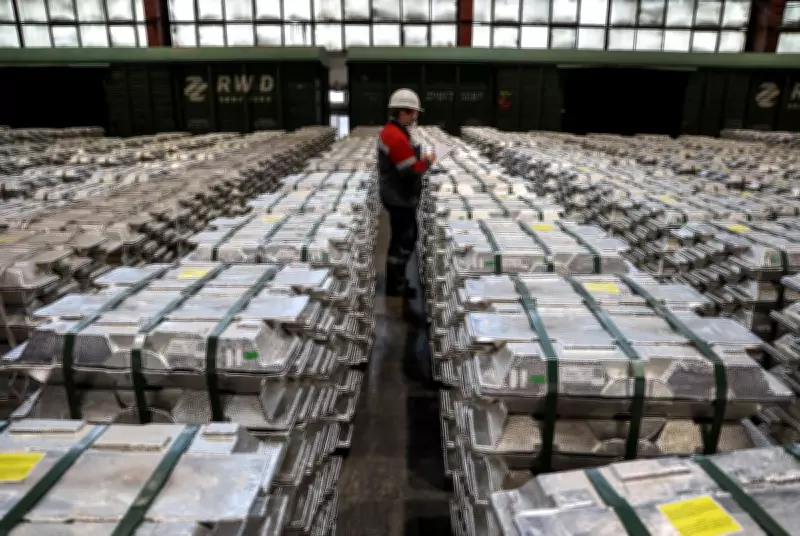
Iran's weekend military strikes on aluminum production facilities in the Persian Gulf have sent shockwaves through global markets, threatening to plunge an already fragile aluminum sector into a full-blown crisis. The attacks raise the specter of record prices for this essential metal, which is used in everything from aircraft manufacturing to food packaging and solar panel production.
Immediate Market Turmoil and Price Surges
On the first trading day following confirmation of the attacks, aluminum futures on the London Metal Exchange surged dramatically, climbing as much as six percent. The benchmark LME aluminum contract ultimately settled at US$3,401 per ton, representing a significant 3.2 percent increase. This immediate market reaction underscores the severity of the supply threat posed by the targeted strikes.
The Middle East accounts for approximately nine percent of global aluminum production, but its importance is magnified by existing constraints on output in other regions that have steadily eroded global inventories. This depletion has left the market with minimal buffer to absorb supply shocks of this magnitude.

Major Production Facilities Sustained Significant Damage
Two of the world's largest aluminum producers confirmed substantial damage to their operations. Emirates Global Aluminium, the region's top supplier, reported "significant damage" at its Abu Dhabi facility. Meanwhile, Aluminium Bahrain announced it was actively assessing the extent of damage to its production site.
Iran's Islamic Revolutionary Guard Corps claimed responsibility for the strikes in a statement to Iranian state media, identifying both companies as suppliers to the United States military and characterizing the attacks as retaliation for U.S.-Israeli strikes on Iranian infrastructure.
Compounding Existing Supply Constraints
Even before becoming direct military targets, Middle Eastern aluminum smelters were facing severe operational challenges. The closure of the Strait of Hormuz had already left these massive facilities running short of critical inputs, with industry analysts anticipating a cascading series of production cuts in the coming weeks.
"Traders need to face the reality of significant cuts to Middle East supplies," warned Li Xuezhi, head of research at Chaos Ternary Futures Co. The complexity of aluminum production makes shutdowns and restarts particularly problematic—these are lengthy and costly processes that mean production disruptions could persist long after the strait reopens.
Broader Economic Implications
As the second most widely used metal after steel, aluminum plays a critical role in global manufacturing. A sustained price spike would place additional pressure on manufacturers already struggling with elevated energy costs. More alarmingly, the supply disruption could become so acute that some industrial consumers might exhaust their inventories of specialized aluminum products, potentially forcing temporary factory shutdowns.
Market analysts have sounded the alarm about the severity of the situation. "The aluminum supply chain has entered a new phase of disruption," noted AZ Global Consulting in a research briefing following the attacks. "We will wait to hear from both companies, but it is clear the system is now exposed to sudden production loss, not just gradual constraint."
Investor Response and Future Price Projections
The market reaction extended beyond futures contracts to aluminum company stocks. Alcoa Corporation shares jumped as much as 13 percent, while Century Aluminum Company surged more than 20 percent in New York trading.
Prices have exhibited extreme volatility since the conflict began, initially surging at the outbreak of hostilities before moderating due to concerns about the war's broader economic impact. However, industry executives and traders now warn that if shipping through the Strait of Hormuz doesn't resume promptly, inevitable production cuts could drive aluminum prices beyond the 2022 record high of US$4,073.50 per ton.

The attacks have created immediate uncertainty for aluminum buyers worldwide, including governments and smelters, with the full impact likely to materialize over the coming months as supply chain disruptions propagate through global markets.