Iran launched strikes on multiple ships and a United Arab Emirates oil port in a dramatic show of force on Monday, hours after U.S. President Donald Trump ordered the Navy to ensure the Strait of Hormuz remains open. The attacks mark a significant escalation in regional tensions.
Iranian aggression in the Strait of Hormuz
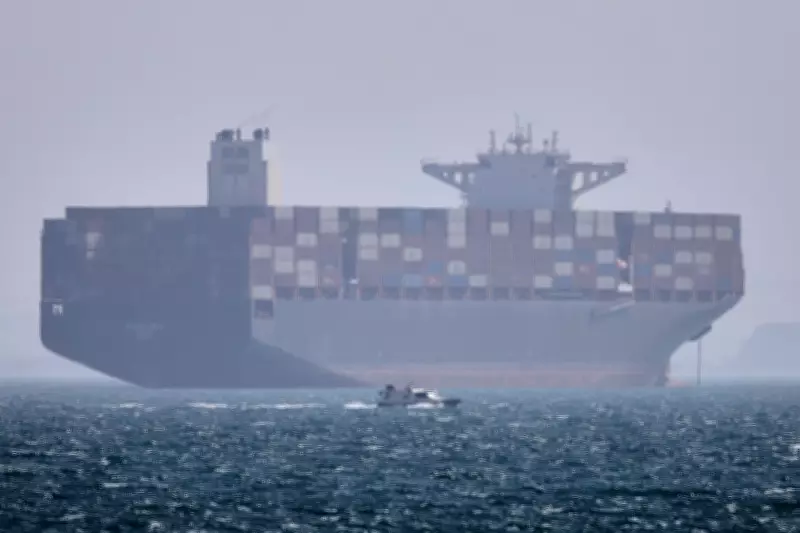
According to Iranian state media, the Islamic Revolutionary Guard Corps targeted two vessels suspected of smuggling fuel and an oil terminal in the UAE port of Fujairah. The strikes were carried out using drones and missiles, causing damage but no immediate reports of casualties. Iran claimed the ships were violating its territorial waters and that the UAE port was used for illicit activities.
Trump's directive
President Trump earlier on Monday issued a statement saying he had directed the U.S. Navy to "take all necessary action" to keep the Strait of Hormuz open for international shipping. The strait is a critical chokepoint for global oil supplies, with about 20% of the world's petroleum passing through it. Trump's order came amid rising tensions over Iran's threats to block the waterway in response to U.S. sanctions.

“The United States will not allow Iran to hold the world hostage,” Trump said in a brief address. “My administration has ordered the Navy to keep the Strait of Hormuz open, by any means necessary.”
Regional and global reactions
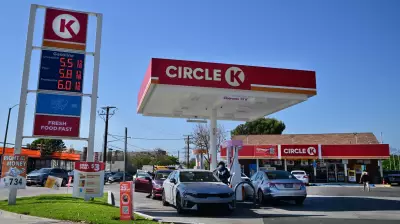
The UAE condemned the attack on its port, calling it a “flagrant violation of international law” and vowing to respond. Saudi Arabia and Bahrain also expressed solidarity with the UAE. Meanwhile, oil prices surged by more than 5% on the news, with Brent crude topping $85 a barrel.
Iranian Foreign Minister Hossein Amir-Abdollahian defended the strikes, stating that Tehran was exercising its right to self-defense and would continue to target any threat to its national security. He also accused the U.S. of escalating the situation with its “provocative” naval deployment.
Background
The Strait of Hormuz has been a flashpoint for decades, but tensions have soared since the U.S. withdrew from the nuclear deal and reimposed sanctions. Iran has repeatedly threatened to close the strait in retaliation. The latest incident follows a series of tit-for-tat seizures of oil tankers and drone attacks in the region.
International shipping companies have been advised to exercise extreme caution. The U.S. Fifth Fleet, based in Bahrain, is on high alert. Analysts warn that any sustained disruption could cripple global oil supplies and trigger a broader conflict.