New Brunswick Imports Australian LNG While Sitting on Massive Domestic Gas Reserves
In a striking demonstration of Canada's complex energy landscape, New Brunswick is now importing liquefied natural gas from Australia despite possessing enormous domestic natural gas reserves that remain largely undeveloped. This situation underscores significant contrasts in how different nations approach their energy resources and export capabilities.
The Australian LNG Arrival in Canadian Waters
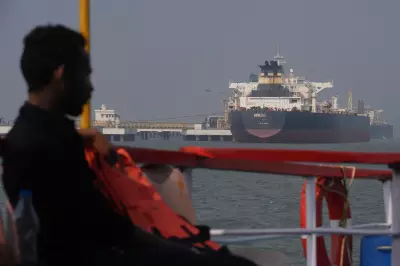
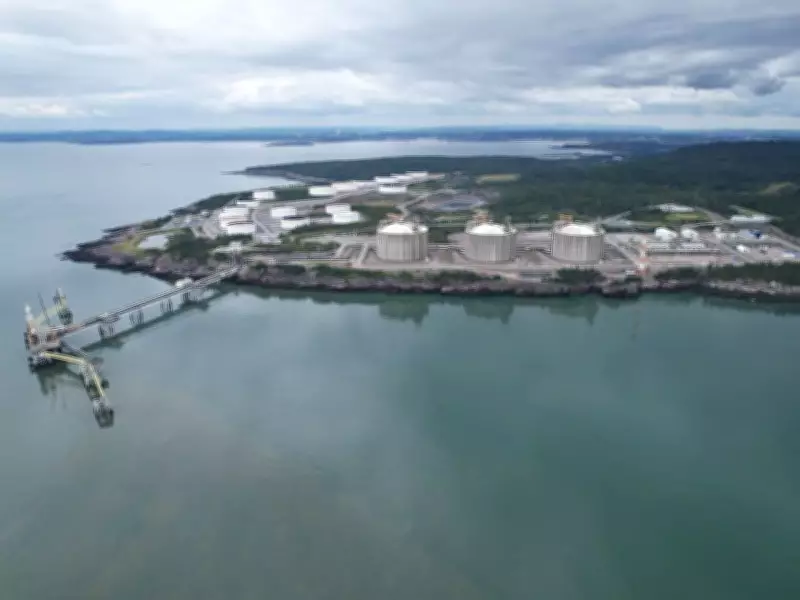
This week marked a significant moment as the LNG tanker Maran Gas Hector completed its 25,000-kilometer journey from Gladstone, Australia, docking at the LNG import terminal in Saint John, New Brunswick. This facility represents the only LNG terminal on Canada's Atlantic coast, yet it serves for imports rather than exports—a fact that highlights the current state of Canada's energy infrastructure.
The arrival of Australian gas occurs in a region where multiple proposals for LNG export terminals have failed to materialize. As early as 2015, the Canada Energy Regulator documented four proposed LNG export facilities along the Atlantic coast, including one that would have been situated directly adjacent to the Saint John terminal where the Maran Gas Hector unloaded its cargo. None of these projects reached completion, revealing persistent challenges in Canada's energy development sector.

New Brunswick's Untapped Natural Gas Wealth
New Brunswick possesses extraordinary natural gas resources that remain largely inaccessible. According to Natural Resources Canada estimates, the province sits atop approximately 77.9 trillion cubic feet of natural gas—enough to fill the Maran Gas Hector more than 20,000 times. These reserves have been known since the mid-19th century when New Brunswick became only the second location worldwide to discover that drilling could release oil and gas from underground formations.
The primary barrier to developing these resources stems from a 2014 provincial moratorium on hydraulic fracturing, commonly known as fracking, which is the necessary technology for extracting these particular gas reserves. This regulatory decision has effectively prevented New Brunswick from capitalizing on its substantial energy assets.
Canada's Broader Natural Gas Potential
New Brunswick's reserves represent just a fraction of Canada's total natural gas resources, which experts estimate at approximately 1.4 quadrillion cubic feet. According to analysis from the U.S. Department of Energy, this volume could theoretically meet global natural gas demands for two centuries. Despite this immense potential, Canada's development of LNG export infrastructure remains limited compared to other resource-rich nations.
The Australian Contrast in Energy Development
The Australian LNG shipment arriving in New Brunswick reveals a stark contrast between the two nations' approaches to natural gas development. Australia possesses significantly smaller natural gas reserves than Canada and began production more recently, yet it has aggressively developed its LNG export capacity since the 1980s. By 2026, Australia operated ten LNG export terminals supported by extensive pipeline networks spanning thousands of kilometers.
This strategic focus on LNG exports has substantially benefited the Australian economy, contributing an estimated $220 million daily to the nation's GDP. Meanwhile, Canada currently operates just one LNG export terminal—the LNG Canada facility in Kitimat, British Columbia, which opened only recently after facing numerous challenges.
Challenges in Canadian Energy Infrastructure Development
The construction of Canada's sole LNG export terminal illustrates the difficulties facing energy projects nationwide. The LNG Canada facility and its associated Coastal GasLink pipeline encountered extensive legal battles, prolonged environmental reviews, and significant opposition. During construction, the project faced repeated violent attacks from suspected anti-pipeline activists and a nationwide rail blockade in early 2020 that caused at least $1 billion in economic damage.

These obstacles highlight the complex regulatory and social environment surrounding energy development in Canada, creating barriers that have prevented the nation from fully utilizing its substantial natural gas resources while other countries like Australia have successfully developed their export capabilities.