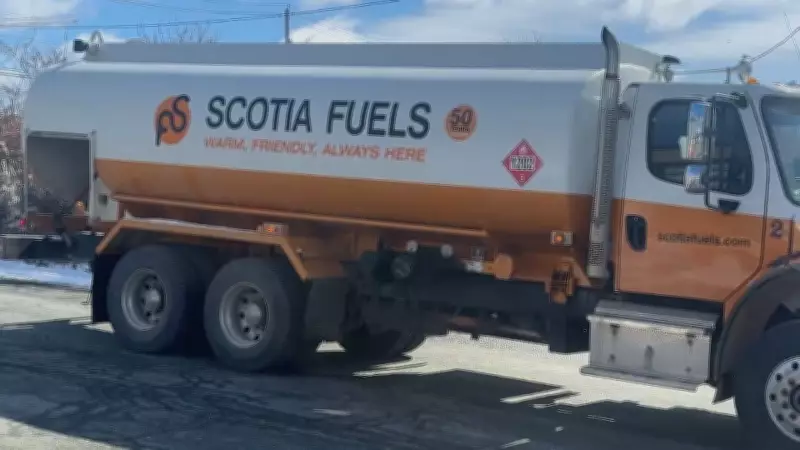
Nova Scotia Heating Oil Companies Navigate Volatile Price Fluctuations
Heating oil companies across Nova Scotia are actively adjusting their operational strategies to cope with significant and unpredictable price fluctuations in the market. This ongoing volatility is compelling businesses to rethink pricing models, inventory management, and customer communication approaches to maintain stability in a challenging economic environment.
Strategic Business Adaptations
Industry representatives report that companies are implementing more flexible pricing structures and enhanced forecasting techniques to better anticipate market movements. Many firms are increasing their communication with customers about potential price changes, offering budget plans and pre-purchase options to help households manage heating costs during the winter months. The fluctuating prices are influenced by global crude oil markets, regional supply chain dynamics, and seasonal demand patterns that create a complex pricing landscape for both providers and consumers.
Consumer Impact and Regional Considerations
For Nova Scotia residents who rely on heating oil, particularly in rural areas with limited alternative heating options, these price fluctuations present significant budgeting challenges. Industry analysts note that price volatility has been more pronounced in recent months, with some companies adjusting delivery schedules and payment terms to accommodate changing market conditions. The provincial energy sector is monitoring these developments closely as heating oil remains a crucial energy source for many communities throughout the region.

Market Dynamics and Future Outlook
The heating oil market in Atlantic Canada continues to experience pressure from multiple factors including international energy policies, transportation costs, and environmental regulations. Companies are exploring various mitigation strategies such as diversifying fuel sources, investing in more efficient delivery systems, and developing contingency plans for extreme price scenarios. As the industry adapts to this new normal of price instability, both businesses and consumers are seeking greater predictability in heating costs for the coming seasons.