Oil Prices Near $100: A Double-Edged Sword for Western Canada's Economy
As global oil prices surge toward the $100-per-barrel threshold, a new analysis reveals a complex economic landscape for Canada's leading oil-producing provinces. According to a recent study by energy analytics firm Enverus, Brent crude is projected to average US$95 a barrel for the remainder of 2026, driven by geopolitical tensions in the Middle East that have disrupted maritime traffic through the critical Strait of Hormuz.
Geopolitical Tensions Fuel Price Surge
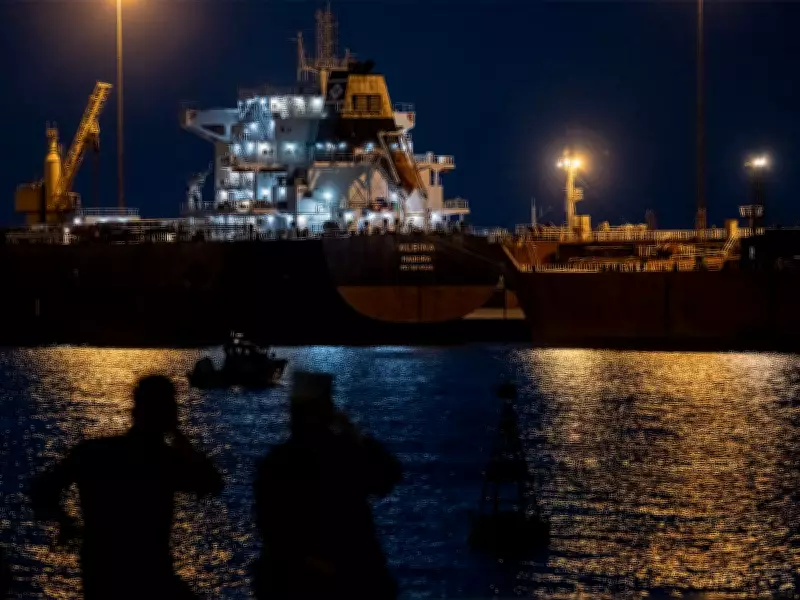
The Strait of Hormuz, a vital waterway in the Persian Gulf that typically handles over 20 million barrels of oil and petroleum products daily, has seen significant disruptions since late February 2026. A joint U.S.-Israeli conflict with Iran has largely halted traffic through this channel, which conveys approximately 20 percent of the world's oil and gas supply. This geopolitical instability has created supply constraints that are pushing prices upward.
On Tuesday, March 25, 2026, West Texas Intermediate crude rose more than $4 per barrel to close at $92.35, while Brent crude closed above $104. Enverus projects that if the Strait of Hormuz remains closed for three months, Brent could average $100 per barrel in 2027, with WTI prices typically about $5 lower.

Provincial Budgets Versus Consumer Pockets
For the governments of Alberta and Saskatchewan, these elevated oil prices present both opportunity and challenge. The revenue windfall could significantly bolster recently released provincial budgets, potentially helping to address deficits while stimulating industry expansion and increased production.
However, this economic benefit comes with a substantial cost to consumers, who face higher energy expenses that strain household budgets. The situation creates what Alberta Premier Danielle Smith describes as "a double-edged sword" for provincial economies.
"On the one hand, it generates so much value for our economy," Premier Smith explained in an interview. "It goes both ways. Higher prices are bad for consumers and they're bad for business investment."
Uncertainty in Price Stability
Saskatchewan Premier Scott Moe echoed similar concerns about the volatility of current market conditions. "We could all agree that we are living in an uncertain world, and a month can change everything," Moe stated during a Tuesday interview.
"The question I would have as a government is how stable is that price moving forward through the next 12 months," he continued. "There may be some positives on the bottom line of budgets, which is a good thing, because all provinces are struggling with some deficits this year, but it will have a negative effect on families."
Analytical Projections and Market Realities
Enverus's revised oil outlook, released Tuesday, represents a significant upward adjustment from previous forecasts. According to Al Salazar, Enverus vice-president of intelligence, the firm's analysis indicates that every month the Strait of Hormuz remains effectively closed to tanker traffic adds $10 to $15 per barrel to oil price projections.
"It will take time for countries in the region to bring idled production back online, even if the war ends quickly," Salazar noted, emphasizing the lingering effects of current disruptions on global supply chains.
The Broader Economic Implications
The economic ramifications extend beyond provincial balance sheets. While higher prices may stimulate investment in Canada's energy sector and increase government revenues through royalties and taxes, they simultaneously:

- Increase transportation and manufacturing costs across multiple industries
- Elevate household energy expenditures, particularly during heating seasons
- Potentially slow economic growth as consumer spending power diminishes
- Create uncertainty for businesses planning long-term investments
This delicate balance between provincial fiscal health and consumer economic pressure underscores the complex relationship Western Canada maintains with global energy markets. As geopolitical events continue to influence oil prices, provincial leaders must navigate between capitalizing on revenue opportunities and mitigating the burden on their constituents.