Oil Prices Experience Sharp Increase Following Middle East Attacks
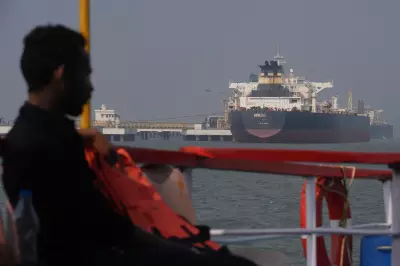
Global oil markets witnessed a significant surge in prices during recent trading sessions, driven by attacks in the Middle East that have disrupted critical energy supplies. This development has sent shockwaves through international markets, raising immediate concerns about the stability of global energy resources and potential economic repercussions.
Immediate Market Reactions and Supply Disruptions
The attacks, which targeted key infrastructure in the region, have directly impacted the flow of oil, leading to a rapid escalation in benchmark crude prices. Analysts report that the disruption has created a supply squeeze, forcing traders to adjust their positions amid heightened uncertainty. This volatility underscores the fragile nature of global energy networks and their susceptibility to geopolitical events.
Market experts are closely monitoring the situation, noting that the price increase reflects fears of prolonged supply constraints. The timing of these events has amplified their effect, as many economies are already grappling with inflationary pressures and energy transition challenges.

Broader Economic Implications and Global Concerns
The sharp rise in oil prices is expected to have far-reaching consequences beyond the trading floors. Higher energy costs typically translate into increased expenses for transportation, manufacturing, and household utilities, potentially fueling inflation in multiple sectors. This could strain consumer budgets and complicate monetary policy decisions for central banks worldwide.
Furthermore, the disruption highlights the ongoing vulnerability of global supply chains, particularly in regions dependent on Middle Eastern oil exports. Countries with limited domestic energy resources may face heightened security and economic risks, prompting calls for diversified energy strategies and enhanced strategic reserves.
Geopolitical Context and Future Outlook
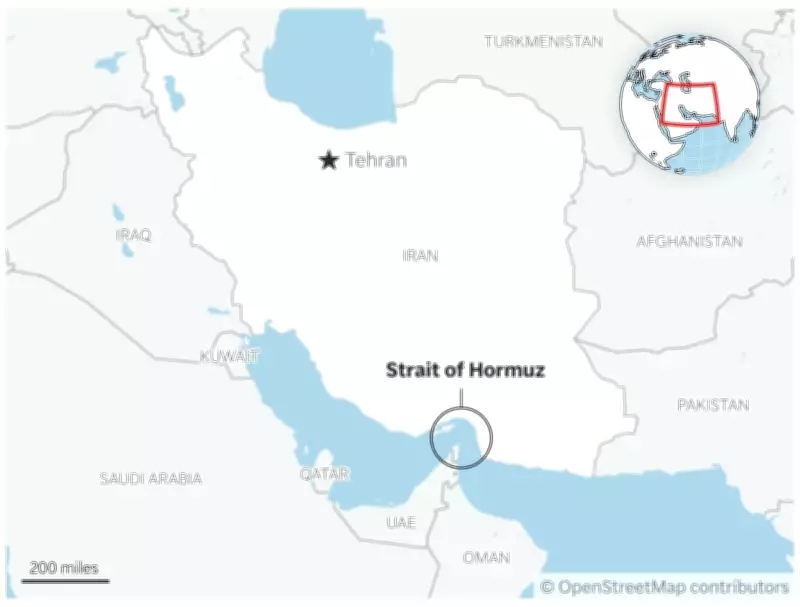
The attacks occur against a backdrop of existing tensions in the Middle East, adding another layer of complexity to international relations. The incident has drawn attention to the strategic importance of key maritime chokepoints and energy corridors, which are vital for global trade.
Looking ahead, market participants are bracing for continued volatility as the situation evolves. Factors such as the duration of the supply disruption, potential retaliatory measures, and diplomatic responses will likely influence price trajectories in the coming weeks. Stakeholders across industries are advised to prepare for possible fluctuations and explore contingency plans to mitigate impacts.
In summary, the recent surge in oil prices serves as a stark reminder of the interconnectedness of global markets and the profound effects of geopolitical instability on economic stability. As developments unfold, the world watches closely, aware that energy security remains a pivotal issue with widespread implications.