Energy Expert Warns Global Oil Supply Chain Nearing Breaking Point
Renowned energy economist Peter Tertzakian has issued a stark warning about the fragility of global oil and gas supply chains, highlighting how escalating conflict in the Middle East has created unprecedented vulnerabilities in energy infrastructure. In an exclusive interview with Financial Post journalist Larysa Harapyn, Tertzakian detailed the cascading effects of regional instability on worldwide energy markets.
Middle East Infrastructure Damage Threatens Global Supply
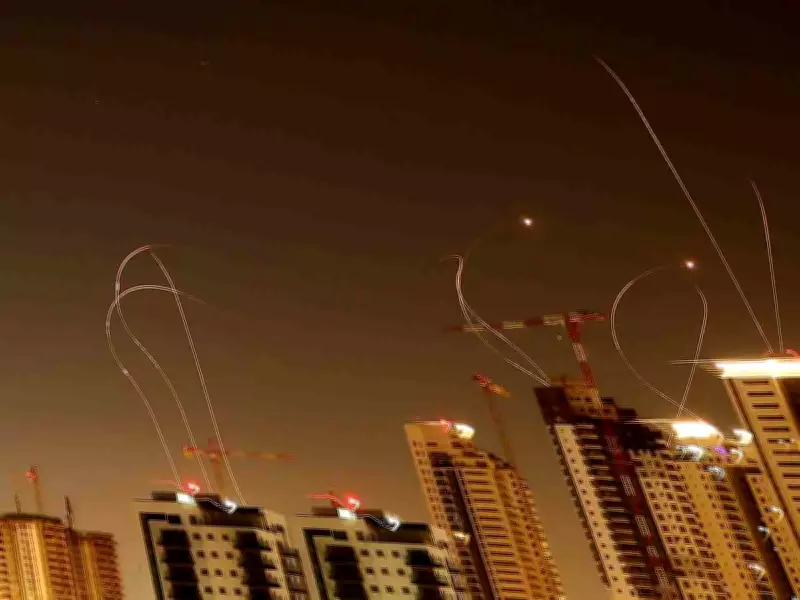
The conflict involving Iran has resulted in significant damage to critical oil production and transportation facilities across the Middle East, according to Tertzakian's analysis. Rocket attacks and military operations have compromised key infrastructure that normally supplies substantial portions of global oil demand. This disruption comes at a time when energy markets were already facing multiple pressures from geopolitical tensions and shifting demand patterns.
"What we're witnessing is a systematic weakening of the global energy backbone," Tertzakian explained during the interview. "The damage to Middle Eastern facilities isn't just temporary - it represents a fundamental threat to the reliability of oil supplies that the world has depended on for decades."

Canada's Strategic Energy Imperative
Tertzakian emphasized that Canada must urgently develop comprehensive strategic plans for its oil supply and distribution systems. As global supply chains face increasing pressure, Canada's position as a major energy producer gives it both responsibility and opportunity to stabilize markets. The economist argued that Canada needs to move beyond reactive measures and implement forward-thinking energy policies that account for growing global instability.
"Canada has the resources and technical capability to play a stabilizing role in global energy markets, but this requires deliberate strategic planning," Tertzakian noted. "We can't simply react to crises as they emerge - we need to anticipate supply chain vulnerabilities and build resilience into our energy systems."
Broader Implications for Global Energy Security
The interview revealed several critical insights about the current state of global energy security:
- Middle East conflicts have moved beyond temporary disruptions to cause structural damage to oil infrastructure
- Traditional supply chain models are proving inadequate for current geopolitical realities
- Energy-producing nations like Canada face both risks and opportunities in this changing landscape
- Strategic planning must account for both immediate threats and long-term energy transitions
Tertzakian's analysis suggests that the combination of physical infrastructure damage and geopolitical instability has created a perfect storm for global energy markets. As conflicts continue to escalate in key production regions, the traditional assumptions about oil supply reliability are being fundamentally challenged.
The energy economist's warning comes at a critical juncture for global markets, with implications extending far beyond immediate price fluctuations to touch on national security, economic stability, and international relations. Tertzakian's call for strategic Canadian energy planning represents both a warning and an opportunity for North America's second-largest oil producer to reassess its role in an increasingly volatile global energy landscape.