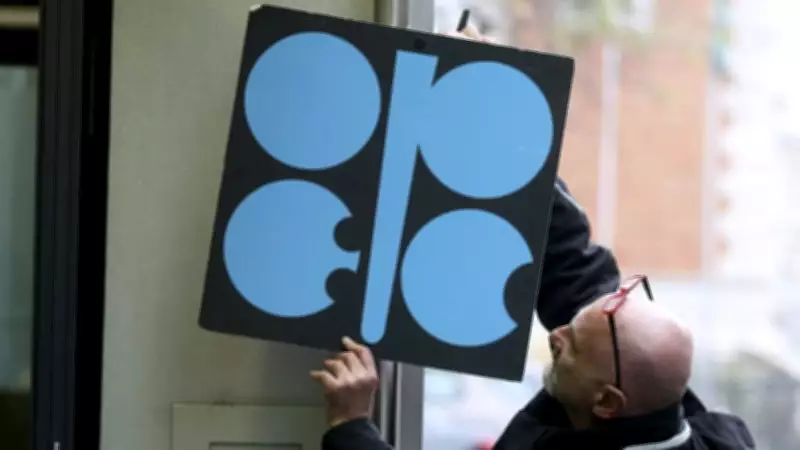
OPEC+ Alliance Reaches Agreement to Increase Oil Output Following Strait of Hormuz Reopening
The Organization of the Petroleum Exporting Countries and its allies, collectively known as OPEC+, have finalized a significant agreement to boost oil production. This decision is set to take effect immediately upon the reopening of the strategically vital Strait of Hormuz shipping lane. The move is designed to address potential supply disruptions and stabilize volatile global energy markets.
Strategic Decision Amid Geopolitical Tensions
OPEC+ members convened to discuss the ongoing situation surrounding the Strait of Hormuz, a critical maritime chokepoint through which approximately one-fifth of the world's petroleum passes. The alliance's agreement represents a proactive measure to ensure market stability once normal shipping operations resume in the region.
The production increase is expected to be implemented in a phased manner, with specific output quotas to be distributed among member nations. This coordinated approach aims to prevent sudden price spikes and supply shortages that could impact global economies.

Market Implications and Global Response
Energy analysts have been closely monitoring the situation, as any prolonged closure of the Strait of Hormuz could have severe consequences for oil-dependent industries worldwide. The OPEC+ decision provides much-needed certainty to markets that have been grappling with uncertainty regarding future petroleum availability.
"This agreement demonstrates OPEC+'s commitment to maintaining balanced oil markets," noted one industry expert. "By planning production increases in advance of the strait's reopening, they're helping to smooth what could otherwise be a turbulent transition period."
The timing of the production boost will be directly tied to when maritime authorities declare the Strait of Hormuz fully operational again. OPEC+ has established monitoring mechanisms to ensure compliance with the new production targets once implementation begins.
Broader Context of Energy Security
This development occurs against a backdrop of increasing focus on energy security worldwide. The Strait of Hormuz has long been recognized as one of the most strategically important waterways for global energy transportation, making its operational status a matter of international concern.
The OPEC+ agreement reflects the alliance's recognition of its responsibility in maintaining global energy stability, particularly during periods of geopolitical uncertainty that affect key transportation routes.