Strait of Hormuz Closure Sparks Global Oil Crisis as Prices Surge Past $100
Ongoing conflict in Iran has triggered a dramatic surge in oil prices, with crude surpassing US$100 per barrel during trading on Monday. This price volatility is directly linked to a near-total stoppage of tanker traffic through the Strait of Hormuz, a vital maritime passage that handles almost one-third of the world's marine crude oil shipments.
A Critical Chokepoint in Global Energy Trade
The Strait of Hormuz, located between Iran and an exclave of Oman, serves as the narrow gateway connecting the Persian Gulf to the Gulf of Oman. Its strategic importance cannot be overstated, as it is the primary route for oil exports from major producers like Saudi Arabia, Iraq, the United Arab Emirates, and Kuwait. The effective closure of this essential shipping lane has forced oil producers to slash output, according to reports from Bloomberg News.
This disruption is throwing global supply chains into chaos and raising significant concerns about a potential spike in global inflation if hostilities are prolonged. The situation underscores the fragility of international energy markets when key transit points are compromised.

Implications for Global Markets and Consumers
The impact of the Strait of Hormuz closure extends far beyond the trading floors. Reduced oil supplies are likely to lead to higher fuel costs for consumers worldwide, affecting everything from transportation to manufacturing. The ripple effects could destabilize economies already grappling with inflationary pressures.
Analysts warn that a prolonged closure could exacerbate existing tensions in the Middle East and prompt strategic shifts in global energy policies. Nations may accelerate investments in alternative energy sources or seek to diversify their oil import routes to mitigate such risks in the future.
Visualizing the Crisis
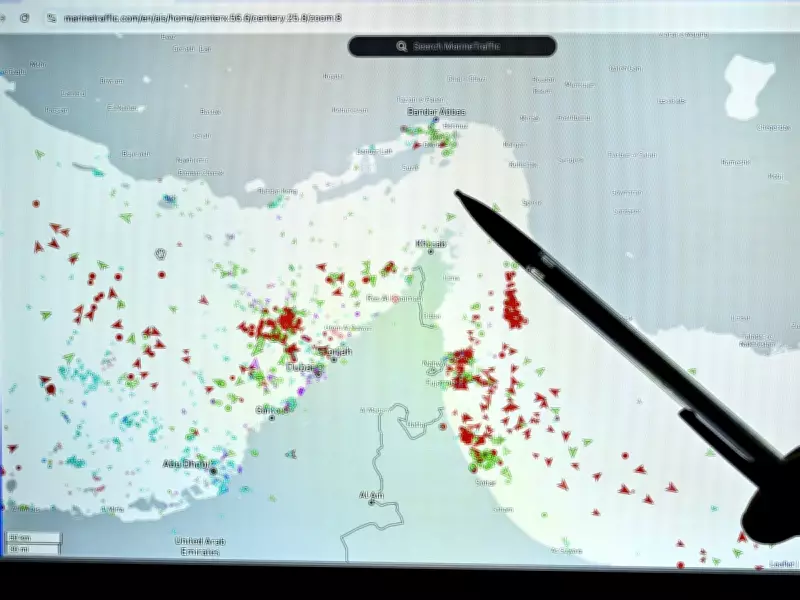
Recent imagery, such as a screenshot from the Marinetraffic website dated March 4, 2026, vividly illustrates the dramatic reduction in commercial boat traffic near the Iranian coast at the edge of the Strait of Hormuz. This visual evidence highlights the immediate and tangible effects of the conflict on global maritime operations.
Historical data shows that the Strait typically facilitates the transit of millions of barrels of oil daily, destined for markets across Asia, Europe, and North America. The current standstill not only disrupts this flow but also poses logistical nightmares for shipping companies and energy firms reliant on this corridor.
As the situation evolves, stakeholders from governments to corporations are closely monitoring developments, aware that the stability of the Strait of Hormuz is inextricably linked to global economic health. The coming weeks will be critical in determining whether diplomatic or military solutions can restore normalcy to this pivotal waterway.