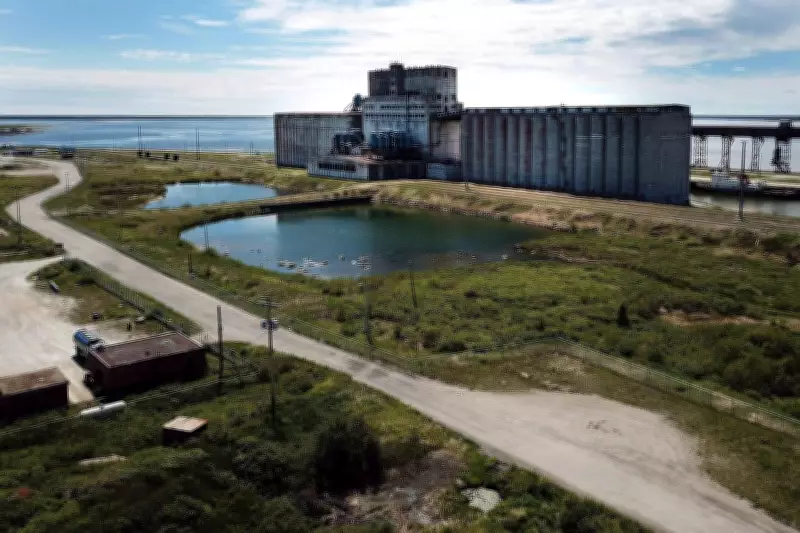
Federal Government Commissions In-Depth Study on Port of Churchill's Future
In a significant move for northern development, the federal government has officially launched a comprehensive study to assess the long-term potential of the Port of Churchill project in Manitoba. This initiative aims to thoroughly evaluate the strategic and economic viability of expanding and modernizing the Hudson Bay port, which has long been considered a critical gateway for Arctic shipping and regional trade.
Examining Economic and Strategic Implications
The newly announced study will delve into multiple facets of the Port of Churchill's operations and future prospects. Key areas of focus include the port's capacity to handle increased shipping traffic, its infrastructure requirements, and its potential role in enhancing Canada's presence in the rapidly evolving Arctic maritime corridor. Researchers will analyze historical data, current usage patterns, and projected growth scenarios to provide a robust assessment.
This evaluation is particularly timely given the increasing interest in northern shipping routes due to climate change and global trade dynamics. The study will also consider environmental impacts, community benefits for Churchill and surrounding regions, and the port's alignment with national economic and defense strategies.

Historical Context and Recent Developments
The Port of Churchill, located in Churchill, Manitoba, has a storied history as Canada's only deep-water Arctic port. It has faced numerous challenges over the years, including ownership changes and operational disruptions. However, recent federal investments and renewed interest in Arctic sovereignty have brought it back into the spotlight.
The study represents a proactive step by Ottawa to make data-driven decisions about the port's future, rather than reacting to external pressures or isolated incidents. It will build upon previous assessments and incorporate new data on shipping trends, commodity flows, and infrastructure needs.
Potential Outcomes and Regional Impact
Findings from the study could pave the way for significant federal investments in port infrastructure, potentially transforming Churchill into a hub for international trade, resource export, and scientific research. The assessment will also explore how enhanced port operations could stimulate local economies, create jobs, and improve transportation links for northern communities.
Moreover, the study will address the port's strategic importance in the context of Canada's Arctic policy, considering factors such as:
- Enhanced connectivity for remote Indigenous communities
- Opportunities for exporting Prairie agricultural products
- Potential for supporting mining and resource development in the North
- Strengthening Canada's position in global Arctic governance
While the study is in its early stages, stakeholders from industry, local government, and Indigenous groups are expected to provide input throughout the process. The final report, anticipated within the next 18-24 months, will offer recommendations that could shape northern development policy for decades to come.