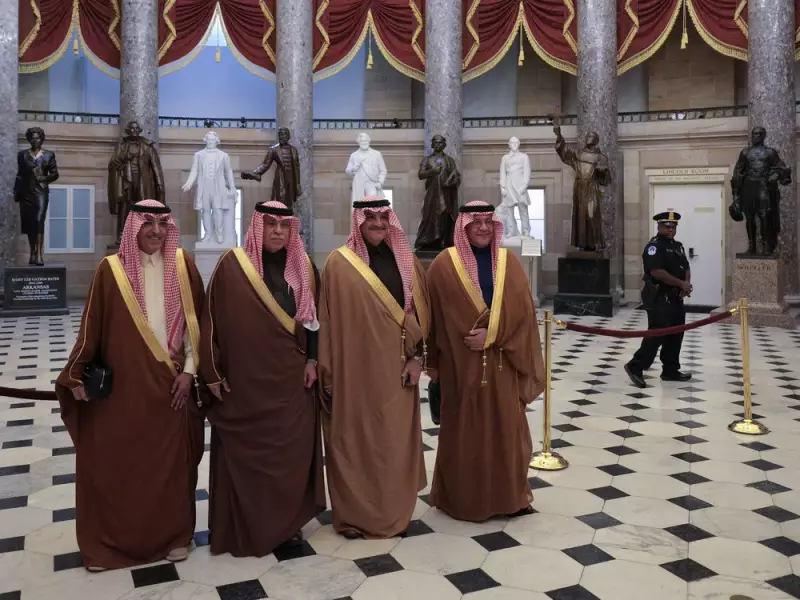
The United States has reached a significant milestone in its nuclear cooperation with Saudi Arabia, completing negotiations that could pave the way for American companies to construct nuclear reactors in the kingdom. This development marks a potential turning point for both nations' energy strategies and has broader implications for nuclear proliferation in the Middle East.
The Agreement Details
Energy Secretary Chris Wright and his Saudi counterpart signed a joint declaration on November 18, 2025, confirming the completion of talks during Crown Prince Mohammed bin Salman's visit to the White House. The declaration establishes the legal foundation for what could become a decades-long nuclear energy partnership between the two countries.
While the joint declaration represents a major step forward, a formal 123 Atomic Energy Act agreement has yet to be finalized. This crucial component typically includes non-proliferation requirements designed to prevent the diversion of nuclear materials for weapons development. A U.S. Energy Department spokesman confirmed that this more comprehensive agreement remains pending.

Regional Implications and Concerns
The potential deal has raised significant questions about nuclear proliferation in the Middle East. International Atomic Energy Agency Director General Rafael Mariano Grossi confirmed that the agreement "does include fuel cycle activities," though the IAEA hasn't been notified about whether a 123 Agreement will be attached.
Should Saudi Arabia gain access to the full nuclear fuel cycle, other regional powers including Iran and the United Arab Emirates may demand similar conditions. This possibility has alarmed non-proliferation experts and some members of Congress who worry about the potential for weapons-grade material production.
Israeli Energy Minister Eli Cohen expressed skepticism about the agreement ahead of the Saudi crown prince's White House visit, highlighting regional tensions surrounding nuclear capabilities.
Economic and Industry Impact
If finalized, the nuclear partnership could provide a substantial boost to America's atomic energy sector. Companies like Westinghouse Electric Co. and other U.S. nuclear technology firms stand to benefit significantly from potential reactor construction projects and technology sales to Saudi Arabia.
The White House described the partnership as potentially spanning decades and involving multi-billion-dollar investments. In a statement, Energy Secretary Wright emphasized that the cooperation would "bring American nuclear technology to Saudi Arabia and keep a firm commitment to nonproliferation."
The key unresolved issue remains whether the deal will include the so-called "gold standard" prohibiting uranium enrichment and reprocessing - conditions that Saudi Arabia has previously been reluctant to accept. Both the Energy Department and White House hadn't immediately clarified this critical aspect following the announcement.