Potential U.S. Naval Blockade at the Strait of Hormuz: Operational Mechanics and Global Economic Ramifications
The strategic Strait of Hormuz, a narrow maritime chokepoint between the Persian Gulf and the Gulf of Oman, handles approximately one-fifth of the world's oil supply. Recent geopolitical tensions have raised the specter of a potential U.S. naval blockade in this critical waterway. Such a military action would involve deploying warships, aircraft, and surveillance assets to monitor and restrict vessel movements, particularly targeting oil tankers and cargo ships.
How a Blockade Could Be Implemented
A blockade operation would likely involve multiple naval vessels positioned at key points along the strait, supported by aerial reconnaissance and intelligence gathering. The U.S. Navy's Fifth Fleet, based in Bahrain, would play a central role in such an operation. Legal justifications might cite international maritime law provisions regarding self-defense or sanctions enforcement, though this would undoubtedly face significant diplomatic challenges.
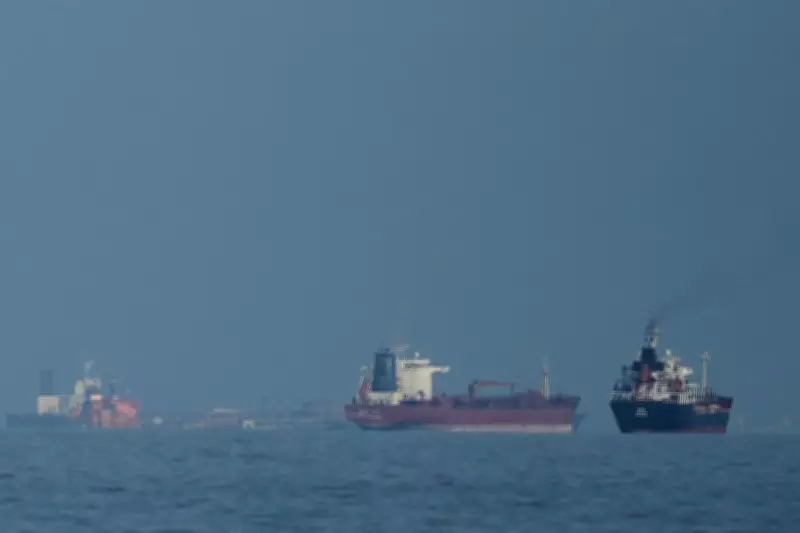
Operational challenges would include distinguishing between civilian and military vessels, managing the queue of waiting ships (as seen in recent photographs showing vessels lining up near Khor Fakkan in the United Arab Emirates), and maintaining the blockade over extended periods. The narrowest point of the strait is just 21 nautical miles wide, with shipping lanes in each direction separated by a two-mile buffer zone, making physical control particularly complex.

Immediate Economic Consequences
The global economic impact would be severe and immediate. Oil prices would likely spike dramatically as markets react to the disruption of Middle Eastern crude supplies. This would trigger:
- Increased transportation costs worldwide as fuel prices rise
- Supply chain disruptions affecting multiple industries beyond energy
- Stock market volatility as investors react to uncertainty
- Inflationary pressures on consumer goods and services
Countries heavily dependent on Middle Eastern oil imports, particularly in Asia and Europe, would face the most direct challenges. Strategic petroleum reserves would be tapped, but these would provide only temporary relief given the scale of potential disruption.
Long-Term Global Economic Implications
Beyond immediate price shocks, a prolonged blockade could fundamentally reshape global energy markets and economic relationships. Alternative shipping routes would become economically viable, potentially boosting traffic through other chokepoints like the Bab el-Mandeb Strait or around the Cape of Good Hope. This would increase shipping times and costs for global trade.
- Energy security strategies would be reevaluated worldwide, accelerating transitions to renewable sources and domestic production
- Geopolitical alliances would be tested as nations choose sides in the conflict
- Regional stability in the Middle East would be further compromised
- Global recession risks would increase significantly
The economic ripple effects would extend far beyond energy markets, affecting manufacturing, agriculture, and consumer spending globally. Central banks would face difficult decisions about interest rates as they balance inflation control against economic growth concerns.
While the implementation of such a blockade remains hypothetical, military planners and economic analysts continue to study the potential scenarios. The concentration of global oil transit through this single geographic point represents both a strategic vulnerability and a potential flashpoint for international conflict with profound economic consequences.