The United States revoked a temporary waiver on Iran oil sanctions Tuesday, July 7, 2026, after three tankers were struck in the Strait of Hormuz. The U.S. Treasury Department cancelled a licence that allowed Iran to produce, sell and deliver crude and oil-related products through August 21, as Tehran continues negotiations with Washington over ending the war.
Attack Details and Immediate Response
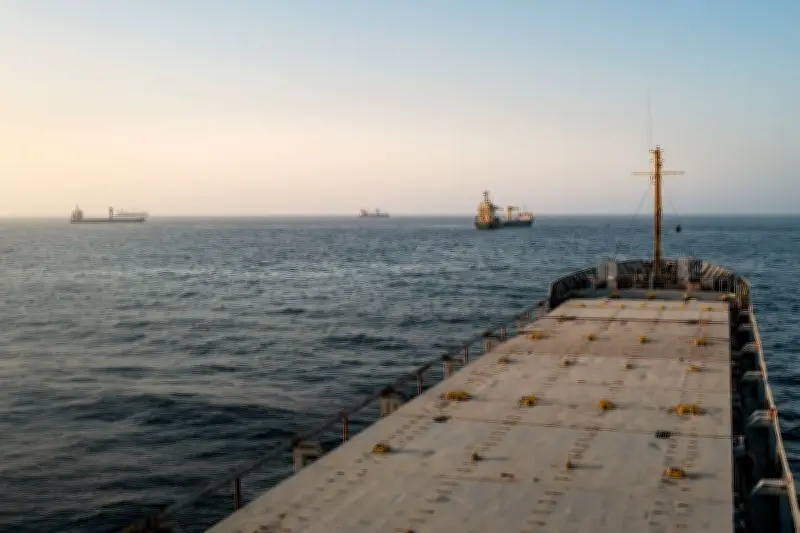
British maritime security agency UKMTO reported that an “unknown projectile” hit a tanker, causing a fire. Two more ships were struck, one likely by a drone. All vessels were attacked near Oman, which had proposed a temporary transit corridor hugging the coastline—a plan Iran opposes because it wants to impose fees on ships using the waterway.
An American official speaking to AFP on condition of anonymity stated: “Iran’s actions in the strait were wholly unacceptable to the United States and will be met with consequences.” The official added that the U.S.-Iran memorandum of understanding was “entirely performance based” and that Tehran would only see benefits if it showed “good behaviour,” but noted U.S. negotiators were continuing to try to hammer out a deal.

Qatar Condemns Attack, Summons Iranian Diplomat
Qatar confirmed one of its vessels was hit and blamed Iran, calling the attack “unacceptable.” Qatar summoned Iran’s deputy ambassador to lodge a complaint, demand an explanation, and urge Tehran to “immediately cease any practices undermining regional security.” Qatar’s Foreign Ministry spokesman Majed Al Ansari wrote on X: “We hold Iran fully legally responsible for this attack and for any resulting damages or repercussions.” Iran, through its state news agency, called Qatar’s accusations “unacceptable.”
Oil Prices Rise Amid Fragile Geopolitical Situation
The attacks ended a relatively calm week in the region. Oil prices rose by more than 2% as the new attacks renewed worries over global energy supplies and the outcome of the U.S.-Iran agreement. Andreas Krieg, a security expert at King’s College London, told AFP: “We are now in a sensitive period where potential alternatives to an Iranian toll or fee system are being explored. Iran is sending a clear signal that no alternative will be accepted.”
The U.S. decision to revoke the sanction waiver marks a significant escalation in tensions, with potential implications for global energy markets and regional stability. The attacks also come amid broader hostilities, including an Israeli strike on southern Lebanon that killed four people, including three women, and Iran’s supreme leader failing to attend his father’s funeral as Iran vowed support for Hezbollah.