Prime Minister Mark Carney unveiled a second wave of national infrastructure projects on Thursday, but once again excluded a crucial oil pipeline from Alberta, sparking significant frustration across Western Canada.
Growing Western Discontent
Patience is wearing thin in Alberta and Saskatchewan as the federal government continues to overlook pipeline infrastructure in its nation-building agenda. Alberta Premier Danielle Smith confirmed her government remains engaged with the Carney administration to advance a bitumen pipeline to tidewater, but concrete progress remains elusive.
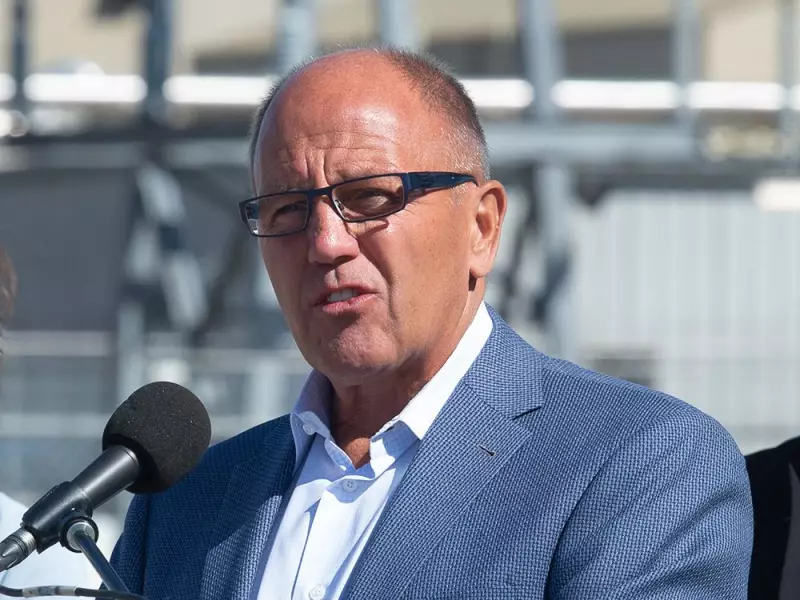
Whitecap Resources CEO Grant Fagerheim warned of escalating anger from the western provinces if pipeline development continues to be deprioritized. The energy executive predicts outright fury from Alberta and Saskatchewan stakeholders who see the omission as another blow to their economic interests.

The Continental Connection Dilemma
Fagerheim, whose company ranks as Canada's seventh largest oil and natural gas producer, emphasized the critical need for federal assistance in breaking down regulatory barriers that prevent Alberta and Saskatchewan from accessing international markets.
Alberta and Saskatchewan stand as Canada's only landlocked provinces, creating unique challenges for energy exports. Fagerheim noted that while global market diversification remains important, continental connectivity with the United States cannot be ignored given the economic realities.
The CEO challenged the confrontational approach some advocate, stating emphatically: I don't believe in the 'elbows up' analogy. I think that's a mistake. His perspective is informed by his background as a former professional hockey player within the New York Islanders system.
Broader Energy Corridor Vision
Beyond advocating for a single pipeline, Fagerheim proposed a more comprehensive solution: building an integrated energy corridor capable of transporting multiple commodities including natural gas, oil, rail services, and electricity across provincial boundaries.
This approach would maximize infrastructure efficiency while addressing multiple energy transportation needs simultaneously. The concept aligns with Premier Smith's push for a bitumen pipeline to West Coast tidewater, but expands the vision to include broader energy infrastructure.
Fagerheim maintains cautious optimism about Carney's intentions, stating he wants to take the Prime Minister at his word. He also detects a shifting public sentiment regarding energy needs, noting that even prominent figures like Bill Gates are moderating their climate change rhetoric and acknowledging that oil and gas will remain essential for much longer than previously anticipated.
The ongoing pipeline exclusion comes despite the energy sector's critical role in Canada's economy and the price disadvantages Canadian producers face due to market access constraints that American competitors don't experience.