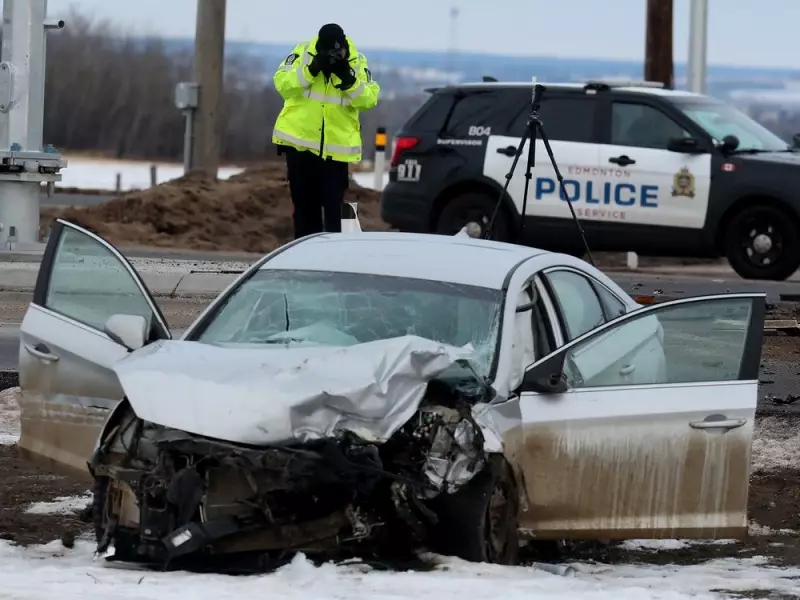
An experienced accident reconstruction engineer is raising the alarm about significant changes coming to Alberta's auto insurance system, warning that the provincial government's proposed Care-first model grants too much authority to private insurance firms while removing key rights for drivers.
What is Changing in Alberta Auto Insurance?
According to Don Pohl, an engineer who has been reconstructing accidents since 1999, many Albertans remain unaware of the overhaul scheduled for January 1, 2027. The new system will be a no-fault insurance model, where private insurers become responsible for covering their own clients' injury claims, regardless of who caused the collision. This marks a major shift from the current framework.
Currently, Alberta operates under a Direct Compensation for Property Damage (DCPD) system, introduced on January 1, 2022, where insurers repair their own client's vehicle after an accident. However, drivers still retain the right to sue for injury compensation. The Care-first model will eliminate that right for most situations.

Loss of Legal Recourse and Accountability Concerns
Under the proposed rules, drivers will no longer be able to sue an at-fault driver's insurance company for injuries. The only exception is if the at-fault driver is convicted of a serious criminal or traffic offence. This creates several problematic scenarios highlighted by Pohl.
What happens if the at-fault driver dies in the crash? The legislation does not allow the insurance company to be sued, only the driver themselves. This could place the convicted driver's personal assets, such as a home or business, at substantial risk. It may force business owners, farmers, and professionals to seek additional liability coverage.
Furthermore, the process for disputing claims will change dramatically. Injury treatment and compensation will be managed solely by insurance adjusters. "How does an injured person dispute an insurance adjuster's opinion, without being able to hire a lawyer to advocate for himself or herself?" Pohl asks. He predicts a provincially run insurance tribunal could be overwhelmed with complaints.
Financial Incentives and a Lack of Balance
The government states that insurers will still determine fault for collisions, leading to higher premiums for at-fault drivers, likely via a standardized "fault chart." Pohl questions the fairness of this internal process. For example, should a driver travelling at one-and-a-half to two times the speed limit bear no responsibility if another car pulls out from a stop sign?
More critically, Pohl points out a clear financial incentive for insurance companies to find both parties partially at fault in a collision, as this would allow them to raise premiums for both policyholders. This internal adjudication lacks the independent oversight of the court system.
While some argue that plaintiff lawyers have had too much influence and that fraudulent claims are an issue, Pohl contends the government's solution is flawed. "The government's Care-first plan simply hands the perceived power from plaintiff lawyers over to insurance companies, thereby eliminating any type of balance or consequence," he writes.
The consolidation of power is another concern. Large insurers already own auto body shops and restoration companies. Pohl suggests they will likely expand into owning medical service providers like physiotherapy clinics, creating integrated networks with less accountability and potential conflicts of interest.
As the 2027 implementation date approaches, this warning from an industry expert underscores the need for public scrutiny and debate over a policy change that will affect every driver in Alberta.